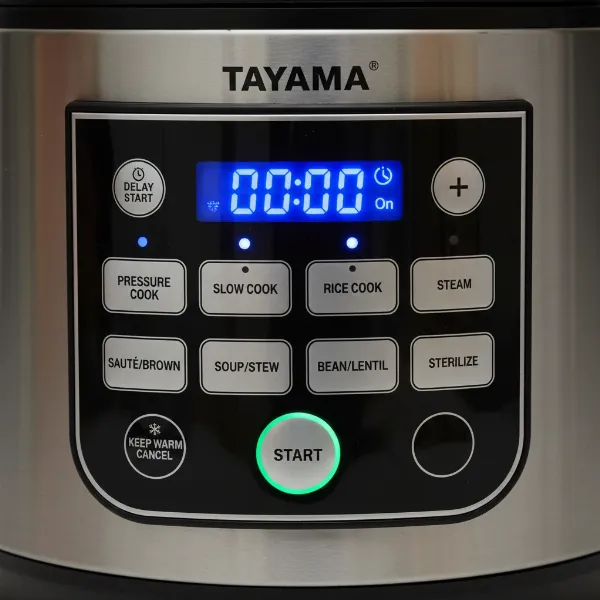
Few things are more frustrating than an electric cooker that suddenly decides to power down in the middle of preparing a meal. Whether it’s a trusty rice cooker halting mid-cycle or a multi-cooker going dark before dinner is ready, an appliance that randomly shuts off can disrupt your kitchen routine and leave you wondering what went wrong. Understanding the common culprits behind these intermittent shutdowns is the first step toward getting your appliance back in working order. This comprehensive guide will walk you through the diagnostic process, empowering you to identify the problem and, in many cases, implement a solution to restore your electric cooker’s reliability.
Understanding Why Your Electric Cooker Shuts Off
Electric cookers are designed with various mechanisms to ensure safe and efficient operation. When an unexpected shutdown occurs, it’s usually a signal that one of these systems, or another critical component, is not functioning as intended.
Safety Mechanisms and Overheating: Modern electric cookers are equipped with safety features to prevent them from reaching dangerously high temperatures. Overheating is a primary reason an appliance might automatically shut off. This could be triggered by:
- Blocked Ventilation: While more common in ovens, some larger electric cookers might have vents that, if obstructed, can lead to heat buildup.
- Faulty Temperature Sensor/Thermostat: These components regulate the cooker’s internal temperature. If a sensor malfunctions or is coated with debris, it might send incorrect readings to the control board, causing the cooker to shut down prematurely, believing it’s too hot or has completed its cycle. In many rice cookers, a bimetallic sensor is critical for detecting when water has boiled off and initiating the “keep warm” cycle or shut-off.
- Blown Thermal Fuse: A thermal fuse is a crucial safety device. It’s designed to permanently break the electrical circuit if the cooker exceeds a specific temperature threshold, preventing fire or severe damage. If this fuse blows, the cooker will lose power entirely and won’t turn back on until the fuse is replaced.
Electrical Anomalies: Consistent power supply is vital for any electric appliance. Issues with electricity can manifest as random shutdowns:
- Faulty Power Supply: The issue might not be with the cooker itself but with the power source. An unstable outlet, a tripped circuit breaker, or an overloaded electrical circuit can interrupt the flow of power to your appliance.
- Damaged or Loose Power Cord: The power cord is the lifeline of your electric cooker. Frayed wires, cuts, or loose connections at either the plug end or where it connects to the cooker can cause intermittent power loss or even overheating of the cord itself.
- Damaged Terminal Block: This internal component is where the main power cord connects to the cooker’s internal wiring. Loose or corroded connections here can generate heat, leading to power interruptions and potential damage.
- Internal Wiring Issues: Over time, internal wires can become frayed, burnt, or develop loose connections, causing unreliable operation.
Component Malfunctions: Specific internal components can also be the root of the problem:
- Faulty Control Board/Electronics Module: Often considered the “brain” of the cooker, the control board manages all functions. A malfunction here can send incorrect signals, leading to unexpected shutdowns or erratic behavior.
- Damaged On/Off Switch: A worn or faulty power switch might fail to maintain a steady connection, causing the cooker to turn off randomly.
- Faulty Heating Elements: While less common for random shutdowns and more for complete failure to heat, a degraded heating element could potentially cause inconsistencies in temperature regulation that indirectly trigger safety shutdowns.
|
Our Picks for the Best Electric cooker in 2026
As an Amazon Associate I earn from qualifying purchases.
|
||
| Num | Product | Action |
|---|---|---|
| 1 | Dezin Hot Pot Electric Upgraded, Non-Stick Sauté Pan, Rapid Noodles Electric Pot, 1.5L Mini Portable Hot Pot for Steak, Egg, Fried Rice, Ramen, Oatmeal, Soup with Power Adjustment |

|
| 2 | Instant Pot Duo 7-in-1 Mini Electric Pressure Cooker, Slow Rice Cooker, Steamer, Sauté, Yogurt Maker, Warmer & Sterilizer, Includes Free App with over 1900 Recipes, Stainless Steel, 3 Quart |
|
| 3 | Elite Gourmet EG808 8” x 8" Non-stick Electric Skillet, Dishwasher Safe with Tempered Glass Vented Lid, Rapid Heat Up, 600W, Black |
|
| 4 | Green 1L Mini Slow Cooker with Steamer Basket, 200W Smart Ceramic Electric Stew Pot, 24-Hour Timer & Auto Keep-Warm, Dry-Burn Protection, Kitchen Cooking Appliance |
|
| 5 | Dezin Hot Pot Electric with Steamer Upgraded, Non-Stick Sauté Pan, Rapid Noodles Electric Pot, 1.5L Mini Pot for Steak, Egg, Fried Rice, Ramen, Oatmeal, Soup with Power Adjustment |
|
| 6 | Pink 1L Ceramic Slow Cooker with Steamer Basket, 200W Mini Electric Stew Pot, 24-Hour Delayed Start & Auto Keep-Warm, Household Kitchen Safety Dry-Burn Protection Porridge & Soup Pot |
|
| 7 | Dezin Hot Pot Electric with Steamer Upgraded, Non-Stick Sauté Pan, Rapid Noodles Electric Pot, 1.5L Mini Pot for Steak, Egg, Fried Rice, Ramen, Oatmeal, Soup with Power Adjustment |
|
| 8 | AMZCHEF Portable Induction Cooktop 20 Temperature & Power Levels, 1800W Induction Stove Burner with 6.8" Heating Coil, Low Noise Hot Plate Single Electric Cooktops Countertop Stove with Timer |
|
| 9 | Dezin Hot Pot Electric with Steamer Upgraded, Non-Stick Sauté Pan, Rapid Noodles Electric Pot, 1.5L Mini Pot for Steak, Egg, Fried Rice, Ramen, Oatmeal, Soup with Power Adjustment |
|
| 10 | Dezin Hot Pot Electric with Steamer Upgraded, Non-Stick Sauté Pan, Rapid Noodles Electric Pot, 1.5L Mini Pot for Steak, Egg, Fried Rice, Ramen, Oatmeal, Soup with Power Adjustment |
|
Initial Checks: Quick Fixes You Can Do
Before diving into complex diagnostics, start with these simple, common-sense checks. Many intermittent power issues can be resolved with basic troubleshooting.
- Check the Power Source:
- Test the Outlet: Unplug your electric cooker and plug another small appliance (like a lamp or phone charger) into the same outlet. If the other appliance works, the outlet is fine. If not, try a different outlet.
- Reset the Circuit Breaker: Check your home’s electrical panel. If the circuit breaker connected to your kitchen outlet has tripped, switch it off completely and then back on.
- Avoid Overloading: Ensure your electric cooker isn’t sharing a circuit with other high-wattage appliances, which can overload the circuit and cause it to trip.
- Inspect the Power Cord:
- Visually examine the entire length of the power cord for any signs of damage, such as cuts, fraying, burn marks, or kinks.
- Wiggle the cord gently where it connects to the cooker’s body. If you notice the power flickering, this indicates a loose connection or internal damage within the cord or at its entry point into the appliance. A damaged cord should be replaced immediately by a qualified technician or, if detachable, with an appropriate replacement.
- Ensure Proper Seating of Inner Pot and Lids:
- For rice cookers and multi-cookers, the inner pot must be seated correctly and flat against the heating element. Any slight misalignment can prevent the temperature sensor from making proper contact, leading to erratic behavior or premature shutdown.
- Ensure the lid is securely closed and sealed, especially for pressure cookers, as proper pressure buildup is critical for operation.
- Clean Sensors and Heating Plate:
- Remove the inner pot and thoroughly clean the metal heating plate at the bottom of the cooker and any spring-loaded sensors (often found in the center). Food debris, burnt residue, or moisture can interfere with accurate temperature readings, tricking the cooker into shutting off early. Use a damp cloth and mild detergent, ensuring everything is dry before reassembly.
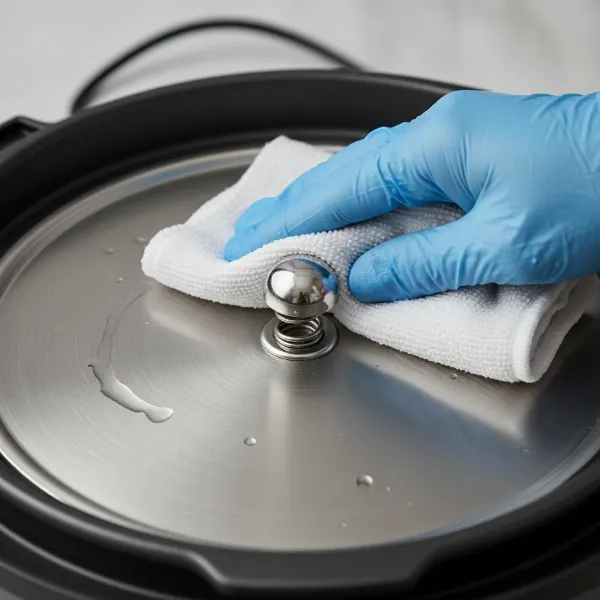 A person cleaning the temperature sensor and heating plate of an electric cooker with a cloth.
Deeper Troubleshooting: When to Look Further
If initial checks don’t resolve the issue, you might need to investigate internal components. Always unplug the electric cooker from the power source before attempting any internal inspection or repair. If you are uncomfortable or lack the necessary tools (like a multimeter), it is best to seek professional help.
Testing the Thermal Fuse:
The thermal fuse is a common culprit for a completely dead cooker. If your cooker shows no signs of life, it might have blown.
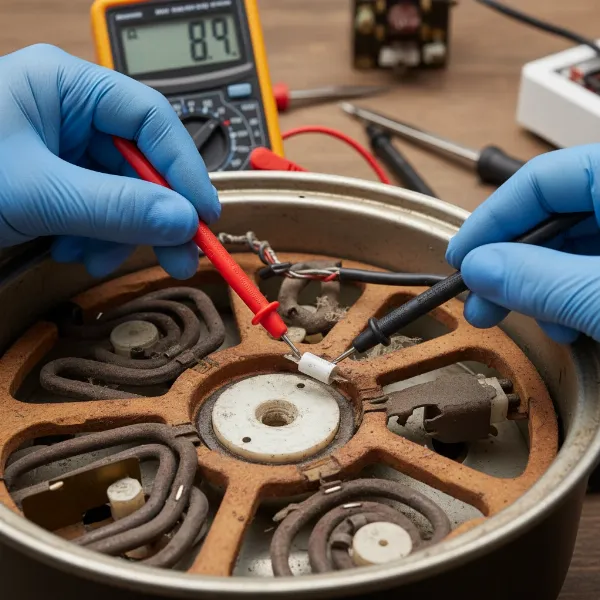 A multimeter being used to test the continuity of a thermal fuse in an electric cooker.
- Location: The thermal fuse is usually located near the heating element or control board, often at the bottom or rear panel of the appliance. You’ll need to remove the outer casing to access it.
- Testing: Use a multimeter set to the ohms (resistance) or continuity setting. Disconnect the wires from the fuse and place the multimeter probes on each terminal. A good fuse will show continuity (a reading near zero ohms or a beep). If there’s no continuity or an open circuit reading, the fuse is blown and needs replacement.
- Replacement: Thermal fuses are single-use safety devices and cannot be reset. If blown, they must be replaced with one of the exact same specifications (temperature rating and current rating). This often involves cutting and crimping wires, which requires basic electrical repair skills.
Inspecting Internal Wiring and Terminal Block:
With the cooker unplugged and casing open:
- Visual Inspection: Look for any signs of burnt, frayed, or discolored wires, especially around connections. Check the terminal block (where the power cord enters) for loose screws, scorching, or melted plastic.
- Tighten Connections: Carefully tighten any loose screw terminals, ensuring a secure connection. Loose connections are a common cause of overheating and intermittent power.
- Damaged Wires: If you find damaged wires, they should be replaced or properly repaired.
Assessing the Thermostat/Temperature Sensor:
A faulty thermostat or sensor can lead to incorrect temperature regulation and premature shutdowns.
- Visual Check: Ensure the sensor is clean and properly mounted, making good contact with the inner pot.
- Testing (Advanced): Some thermostats can be tested for continuity or resistance with a multimeter. Refer to your appliance’s service manual for specific values and testing procedures. Replacement might be necessary if it’s faulty.
Evaluating the Control Board:
The control board governs the cooker’s functions. If other issues are ruled out, a malfunctioning control board could be the problem.
- Visual Check: Look for any visible signs of damage, such as burnt components, bulging capacitors, or corrosion.
- Professional Diagnosis: Diagnosing a faulty control board often requires specialized equipment and expertise. This is typically a job for a professional technician.
Preventive Maintenance for Longevity
Regular care can significantly extend the life of your electric cooker and prevent future issues.
- Regular Cleaning: Keep the inner pot, lid, heating plate, and sensors clean. Remove any food residue promptly.
- Proper Usage and Loading: Always adhere to the manufacturer’s guidelines for water and ingredient levels. Overfilling can lead to boil-overs that damage internal components or trigger safety shutdowns.
- Handle with Care: Avoid dropping or roughly handling the cooker, which can damage internal wiring or delicate sensors.
- Store Properly: When not in use, store your cooker in a dry, safe place where the power cord won’t be kinked or damaged.
- Avoid Overloading Outlets: Plug your electric cooker directly into a wall outlet whenever possible, avoiding extension cords or power strips, especially with other high-draw appliances.
When to Call a Professional
While many simple issues can be resolved at home, some problems warrant professional attention.
- Complex Electrical Issues: If you suspect internal wiring damage, a faulty control board, or issues with your home’s electrical system, it’s safer to consult a qualified appliance technician or electrician.
- Internal Component Replacement: Replacing parts like thermal fuses, heating elements, or control boards often requires specific tools, knowledge, and safety precautions that only a professional can reliably provide.
- Safety Concerns: If you notice burning smells, sparks, smoke, or repeated circuit breaker trips, discontinue use immediately and unplug the appliance. These are serious safety hazards that require immediate professional diagnosis.
A randomly shutting off electric cooker doesn’t always mean the end of its life. By systematically troubleshooting potential causes, from simple power checks to internal component inspection, you can often diagnose and fix the problem. Remember to prioritize safety above all else. With a little care and attention, your electric cooker can return to reliably preparing delicious meals for years to come.
Frequently Asked Questions
Why does my electric cooker sometimes turn off and then turn back on?
This often indicates an intermittent electrical connection or a sensor issue. The cooker might be briefly losing power due to a loose cord or outlet, or a dirty/faulty sensor might be temporarily triggering a safety shutdown that then resets as the temperature normalizes. Thoroughly check the power supply and clean the internal sensors.
Can an overloaded circuit cause my electric cooker to turn off?
Yes, absolutely. If your electric cooker is drawing too much power, especially when sharing a circuit with other high-wattage appliances, it can trip the circuit breaker in your home’s electrical panel, causing the cooker (and other devices on that circuit) to lose power.
How do I know if my electric cooker’s thermal fuse is blown?
If your electric cooker is completely dead, with no lights or power whatsoever, a blown thermal fuse is a very strong possibility. You would need to access the fuse internally and test it for continuity with a multimeter. A lack of continuity confirms it’s blown.
Is it safe to replace an electric cooker’s thermal fuse myself?
Replacing a thermal fuse requires disconnecting power, opening the appliance, and potentially working with wiring. While achievable for those with electrical DIY experience and proper tools (like a multimeter and crimping tool), it should only be attempted if you are confident in your electrical repair skills and prioritize safety. Otherwise, consult a professional.
What is the average lifespan of an electric cooker, and does age contribute to random shutdowns?
The average lifespan varies by type and brand, but many electric cookers last 5-10 years or more. Yes, age can contribute to random shutdowns as components like power cords, sensors, switches, and internal wiring can degrade over time, leading to less reliable operation.