In today’s health-conscious kitchens, choosing the right electric cooker goes beyond features and price. The debate between ceramic and Teflon non-stick coatings has intensified, with many consumers questioning their safety and long-term health implications. As an expert with extensive experience in the electric cooker field, I understand the importance of making an informed decision. This comprehensive guide will delve into the science behind both coatings, comparing their safety, performance, and durability to help you select an electric cooker that truly meets your family’s needs and prioritizes well-being.
Understanding Non-Stick Coatings: The Teflon Story (PTFE)
Teflon is the most widely recognized brand name for cookware coated with polytetrafluoroethylene (PTFE), a synthetic fluoropolymer known for its exceptional non-stick properties. For decades, Teflon-coated electric cookers have been a staple due to their convenience and easy cleanup. However, the use of PFOA (perfluorooctanoic acid) in the manufacturing process of older Teflon products raised significant health concerns. While PFOA has been largely phased out of production since 2013-2015, PTFE itself belongs to a broader class of chemicals known as PFAS (per- and polyfluoroalkyl substances).
Under normal cooking temperatures (below 500°F or 260°C), PTFE is generally considered safe and stable. Even if small, intact flakes of Teflon are accidentally ingested, they are typically inert and pass through the digestive system without causing harm. The primary safety concerns arise when Teflon is exposed to excessive heat or when the coating is damaged.
The Dangers of Overheating Teflon
|
Our Picks for the Best Electric cooker in 2026
As an Amazon Associate I earn from qualifying purchases.
|
||
| Num | Product | Action |
|---|---|---|
| 1 | AMZCHEF Portable Induction Cooktop 20 Temperature & Power Levels, 1800W Induction Stove Burner with 6.8" Heating Coil, Low Noise Hot Plate Single Electric Cooktops Countertop Stove with Timer |

|
| 2 | Pink 1L Ceramic Slow Cooker with Steamer Basket, 200W Mini Electric Stew Pot, 24-Hour Delayed Start & Auto Keep-Warm, Household Kitchen Safety Dry-Burn Protection Porridge & Soup Pot |
|
| 3 | Dezin Hot Pot Electric Upgraded, Non-Stick Sauté Pan, Rapid Noodles Electric Pot, 1.5L Mini Portable Hot Pot for Steak, Egg, Fried Rice, Ramen, Oatmeal, Soup with Power Adjustment |
|
| 4 | Dezin Hot Pot Electric with Steamer Upgraded, Non-Stick Sauté Pan, Rapid Noodles Electric Pot, 1.5L Mini Pot for Steak, Egg, Fried Rice, Ramen, Oatmeal, Soup with Power Adjustment |
|
| 5 | Elite Gourmet EG808 8” x 8" Non-stick Electric Skillet, Dishwasher Safe with Tempered Glass Vented Lid, Rapid Heat Up, 600W, Black |
|
| 6 | Green 1L Mini Slow Cooker with Steamer Basket, 200W Smart Ceramic Electric Stew Pot, 24-Hour Timer & Auto Keep-Warm, Dry-Burn Protection, Kitchen Cooking Appliance |
|
| 7 | Instant Pot Duo 7-in-1 Mini Electric Pressure Cooker, Slow Rice Cooker, Steamer, Sauté, Yogurt Maker, Warmer & Sterilizer, Includes Free App with over 1900 Recipes, Stainless Steel, 3 Quart |
|
| 8 | Dezin Hot Pot Electric with Steamer Upgraded, Non-Stick Sauté Pan, Rapid Noodles Electric Pot, 1.5L Mini Pot for Steak, Egg, Fried Rice, Ramen, Oatmeal, Soup with Power Adjustment |
|
| 9 | Dezin Hot Pot Electric with Steamer Upgraded, Non-Stick Sauté Pan, Rapid Noodles Electric Pot, 1.5L Mini Pot for Steak, Egg, Fried Rice, Ramen, Oatmeal, Soup with Power Adjustment |
|
| 10 | Dezin Hot Pot Electric with Steamer Upgraded, Non-Stick Sauté Pan, Rapid Noodles Electric Pot, 1.5L Mini Pot for Steak, Egg, Fried Rice, Ramen, Oatmeal, Soup with Power Adjustment |
|
When an electric cooker with a Teflon coating is heated above approximately 500°F (260°C) to 600°F (315°C), the PTFE coating can begin to break down, releasing toxic fumes into the air. Inhaling these fumes can lead to a condition known as “polymer fume fever,” or “Teflon flu,” which presents with temporary, flu-like symptoms such as chills, fever, headache, and body aches. These symptoms usually appear within 4-10 hours of exposure and typically resolve within 12-48 hours.
It’s crucial to note that an empty non-stick pot on a high heat setting can reach these critical temperatures in just a few minutes. While electric rice cookers generally operate at lower, more controlled temperatures than stovetop pans, accidental overheating or malfunctions could still pose a risk. Furthermore, pets, especially birds, are highly sensitive to these fumes, with even brief exposure potentially being fatal.
The Broader PFAS Concern
Even with the elimination of PFOA, the fact that PTFE is a PFAS chemical remains a concern for many. PFAS are often referred to as “forever chemicals” because they are extremely persistent in the environment and in the human body. Studies have linked exposure to various PFAS compounds to a range of potential health issues, including increased risks of certain cancers, thyroid problems, developmental delays in children, immune system suppression, and liver or kidney damage. Some research also suggests that even new, unscratched non-stick pans can subtly leach chemicals over time.
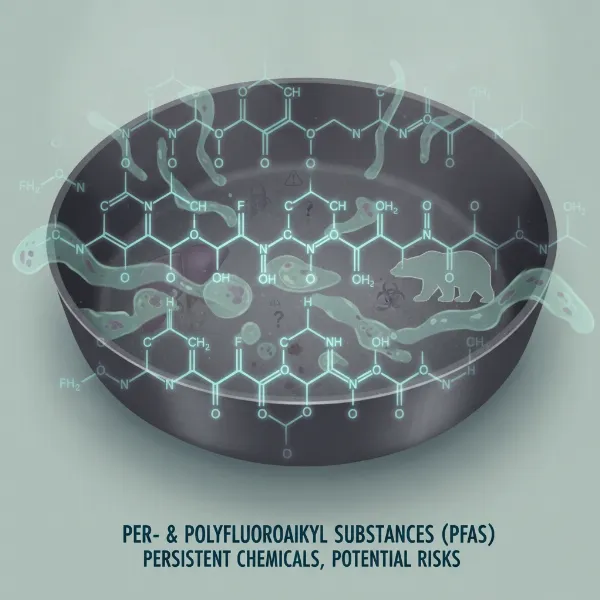 Illustration of PFAS chemicals and their presence in non-stick cookware, highlighting health concerns.
Understanding Non-Stick Coatings: The Ceramic Alternative
Ceramic non-stick coatings represent a popular alternative to traditional PTFE-based products. These coatings are typically made from a silica-based, ceramic-like compound, derived from natural materials such as sand. This compound is often sprayed onto a metal base, such as aluminum, to create a smooth, non-stick surface. A key advantage of ceramic coatings is that they are generally free from PTFE, PFOA, and the broader category of PFAS chemicals.
General Safety and Non-Toxicity Claims
Ceramic-coated electric cookers are widely regarded as safe and non-toxic. Because they do not contain fluoropolymers like PTFE, they do not release harmful fumes when heated to high temperatures. This makes them a more reassuring choice for those concerned about chemical exposure during cooking. Many manufacturers specifically highlight their ceramic products as being “100% non-toxic,” free from lead, cadmium, and other heavy metals, in addition to PFAS.
“As for the safety of ceramic-coated cookware, the ceramic coating is generally free of chemicals of concern and is seen as being nontoxic to both humans and the environment.” – Dr. Joe Zagorski, Toxicologist, Michigan State University
It’s important to distinguish between “ceramic-coated” cookware and “pure ceramic” cookware. While most non-stick ceramic products feature a coating over a metal core, pure ceramic cookware is made entirely of clay. Pure ceramic options are undeniably safe, though less common in electric cookers. For the purpose of this comparison, we primarily refer to ceramic-coated electric cooker inner pots.
Heat Resistance
Ceramic coatings are known for their high heat resistance, maintaining their integrity and non-stick properties even under intense cooking temperatures without breaking down or emitting toxic substances. This characteristic contributes to their perceived safety, particularly for those who might accidentally overheat their cooking appliances.
Safety Face-Off: Ceramic vs. Teflon
When it comes to the fundamental question of which electric cooker coating is safer, a clear picture emerges by examining the chemical composition and behavior under heat.
Direct Comparison of Health Risks
The primary safety advantage of ceramic coatings lies in the absence of PTFE and the broader class of PFAS chemicals. This means ceramic-coated electric cookers eliminate the risk of exposure to “forever chemicals” and the potential health concerns associated with them. For individuals particularly sensitive to chemical exposure or those with specific health concerns, ceramic offers greater peace of mind.
Teflon (PTFE), while generally safe at lower temperatures, introduces a potential risk of releasing toxic fumes (polymer fume fever) if overheated above 500-600°F. While electric cookers typically maintain precise temperature control, accidents can happen. The long-term impact of even low-level PFAS exposure from non-overheated PTFE products also remains a subject of ongoing research and concern for some.
Temperature Thresholds
Ceramic coatings can withstand high cooking temperatures without thermal decomposition, meaning they won’t off-gas harmful chemicals even if the cooker runs hotter than intended. In contrast, Teflon’s safety is strictly temperature-dependent; exceeding its threshold can lead to the release of dangerous fumes.
Ingestion of Flakes
If a Teflon coating is scratched or chipped, and small particles are ingested, they are generally considered inert and pass through the body without harm. For ceramic coatings, while they are non-toxic, some studies suggest that cooking with scratched or abraded ceramic non-stick surfaces could present a risk of nanoparticle migration, though the exact health risks linked to ceramic nanoparticles are not yet fully understood. However, the core materials of ceramic coatings are typically natural and non-toxic.
Performance, Durability, and Longevity
Beyond safety, performance and durability are critical factors when choosing an electric cooker. Both ceramic and Teflon coatings have distinct characteristics in these areas.
Non-Stick Efficacy
Traditional Teflon (PTFE) coatings are renowned for their superior non-stick properties, often providing an extremely slick surface that makes food release effortless, even with minimal oil. Ceramic coatings offer good initial non-stick performance, making them easy to cook with and clean. However, some users report that ceramic’s non-stick properties may diminish more quickly over time compared to high-quality PTFE, particularly with frequent use or improper care.
Scratch Resistance
In terms of scratch resistance, ceramic surfaces are often touted as being more durable and resistant to light contact with metal utensils than Teflon. While they can still scratch with misuse, they tend to hold up better against minor abrasions. Teflon, on the other hand, is more prone to scratching and flaking, which not only degrades its non-stick properties but also raises concerns about ingesting the coating or releasing fumes from the exposed base material if overheated. However, ceramic surfaces can also be more brittle and prone to microscopic cracks over time.
Longevity
The longevity of both coatings heavily depends on usage and maintenance. A well-cared-for Teflon electric cooker can last for several years, retaining its non-stick qualities. However, once a Teflon coating begins to scratch or flake, its performance rapidly declines, and it should ideally be replaced. Ceramic coatings, while generally durable against scratches, can see their non-stick effectiveness fade faster than Teflon if not maintained meticulously. They might require replacement more frequently if non-stick performance is a top priority, as the non-stick properties can wear out quicker than the coating itself.
Maintenance Impact
Proper maintenance significantly impacts the lifespan of both types of coatings. Gentle hand washing, avoiding abrasive cleaners and metal utensils, and cooking at appropriate temperatures are crucial for preserving the integrity and non-stick performance of both ceramic and Teflon surfaces.
Environmental Impact
The environmental footprint of non-stick coatings is another important consideration. PFAS chemicals, including PTFE, are a major concern due to their persistence in the environment. They are often referred to as “forever chemicals” because they do not easily break down and can accumulate in soil, water, and living organisms. This has led to widespread environmental contamination and increased scrutiny from regulatory bodies.
Ceramic coatings, being derived from natural materials like sand and free from PFAS, are generally considered a more eco-friendly choice. Their manufacturing process often involves fewer harmful chemicals, and they pose less environmental risk at the end of their lifecycle compared to PFAS-based coatings. Opting for ceramic can contribute to a healthier planet by reducing the release of persistent chemical pollutants.
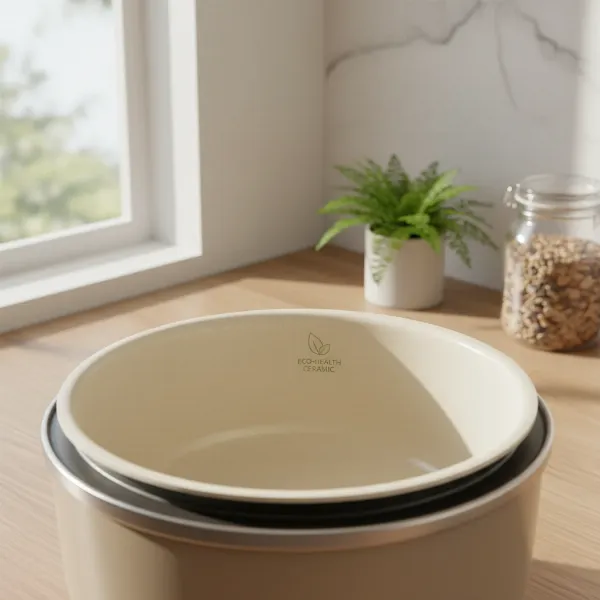 Ceramic-coated electric cooker inner pot, emphasizing its eco-friendly and natural material properties.
Choosing the Right Electric Cooker for Your Home
Making the “safer” choice between ceramic and Teflon for your electric cooker depends on your personal priorities, cooking habits, and risk tolerance.
- Prioritizing Health and Safety: If your primary concern is to minimize chemical exposure and avoid PFAS “forever chemicals,” ceramic-coated electric cookers are generally the recommended choice. They offer a non-toxic cooking surface that does not off-gas harmful fumes, even at higher temperatures, providing greater peace of mind.
- Prioritizing Convenience and Budget: If extreme non-stick performance and a potentially lower upfront cost are your main drivers, a Teflon-coated electric cooker might be appealing. However, it’s vital to commit to strict usage guidelines to ensure safety, such as avoiding overheating and using non-abrasive utensils. Be prepared for potential replacement if the coating shows signs of wear.
- Considering Usage Frequency and Care Habits: For everyday use, where longevity and consistent non-stick are crucial, consider your ability to care for the coating. Teflon requires delicate handling to prevent scratches, while ceramic’s non-stick property might fade faster, necessitating more frequent seasoning or replacement if extreme slickness is desired.
- Temperature Control: Electric cookers typically have controlled heating, which inherently reduces the risk of overheating for Teflon. However, for complete assurance against thermal degradation, ceramic coatings offer an advantage.
Tips for Maximizing Safety and Lifespan of Non-Stick Coatings
Regardless of the coating type, proper care and usage are paramount for both safety and durability.
- Avoid Overheating (Especially for Teflon): Never preheat an empty non-stick electric cooker on a high setting. Follow manufacturer guidelines for temperature.
- Use Appropriate Utensils: Always opt for silicone, wooden, or plastic utensils to prevent scratching the non-stick surface.
- Gentle Cleaning: Hand wash your cooker’s inner pot with mild soap and a soft sponge. Avoid abrasive cleaners, scouring pads, and harsh detergents, which can damage the coating.
- Replace Damaged Cookware: If your non-stick coating (Teflon or ceramic) is significantly scratched, flaking, or peeling, it’s best to replace the inner pot.
- Ensure Good Ventilation: When cooking with any non-stick cookware, ensure your kitchen is well-ventilated, especially if using Teflon, to disperse any potential fumes.
- Store Carefully: Protect the non-stick surface by placing a cloth or paper towel between stacked pots and pans to prevent scratches.
Conclusion
The choice between ceramic and Teflon coatings in electric cookers ultimately boils down to a balance of safety concerns, performance expectations, and environmental considerations. While Teflon (PTFE) offers exceptional non-stick capabilities, the presence of PFAS chemicals and the risk of toxic fume release at high temperatures present notable drawbacks for many consumers. Ceramic coatings, being PFAS-free and derived from natural materials, offer a compelling “non-toxic” alternative, providing greater peace of mind regarding health and environmental impact, even if their long-term non-stick durability might vary. By understanding the distinct characteristics of each material and adopting responsible cooking and maintenance habits, you can confidently select an electric cooker that aligns with your values for a healthier kitchen and a safer home.
Which factor weighs most heavily in your decision-making process when choosing an Electric Cooker: immediate non-stick performance or long-term health assurance?
Frequently Asked Questions
Is ceramic nonstick coating truly safer than Teflon?
Generally, yes. Ceramic coatings are typically free of PTFE, PFOA, and PFAS chemicals, meaning they do not release toxic fumes at high temperatures like Teflon can. This makes them a preferred choice for those concerned about chemical exposure.
What are PFAS, and why are they a concern in non-stick cookware?
PFAS (per- and polyfluoroalkyl substances) are a large group of man-made chemicals often called “forever chemicals” because they persist in the environment and human body. They have been linked to various health problems, including certain cancers and thyroid issues. PTFE, the chemical in Teflon, is a type of PFAS.
Will ingesting small flakes of non-stick coating harm me?
If small, intact flakes of Teflon are ingested, they are generally considered inert and pass through the digestive system without causing harm. For ceramic coatings, while non-toxic, the long-term effects of ingesting ceramic nanoparticles from a heavily scratched surface are not fully established, though the materials themselves are safe.
How long do ceramic and Teflon coatings typically last in an electric cooker?
The lifespan varies significantly with usage and care. High-quality Teflon, if used gently and never overheated, can last several years. Ceramic coatings often have good initial non-stick properties but may see their non-stick performance fade faster than Teflon, requiring careful maintenance for longevity.
Can I use metal utensils with ceramic or Teflon coated electric cookers?
It is strongly advised against using metal utensils with any non-stick coating. Metal can scratch and damage both ceramic and Teflon surfaces, compromising their non-stick properties and potentially leading to premature degradation. Always opt for silicone, wooden, or plastic utensils.
Are “PFOA-free” Teflon coatings completely safe?
While PFOA has been phased out, “PFOA-free” Teflon coatings still contain PTFE, which is a PFAS chemical. While safer than older formulations, some concerns about PFAS exposure remain, especially if the coating is overheated or heavily scratched.
What is “polymer fume fever”?
Polymer fume fever, also known as “Teflon flu,” is a temporary, flu-like illness that can occur from inhaling toxic fumes released when Teflon (PTFE) coatings are heated above their recommended temperature threshold (around 500-600°F or 260-315°C). Symptoms typically resolve within 12-48 hours.