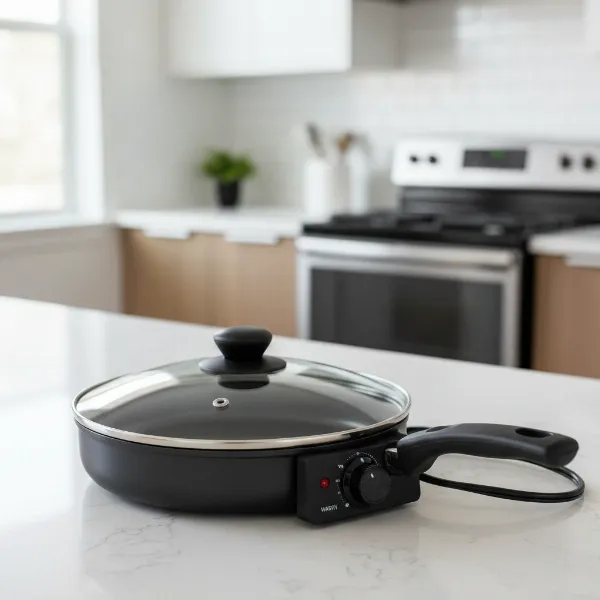
Choosing the right cookware lid might seem like a minor detail, but it significantly impacts your cooking results, especially when it comes to maintaining temperature and moisture. For home cooks, the debate between glass and metal lids often boils down to a few key factors, with heat retention at the forefront. Let’s delve into the performance of each type to help you make an informed decision for your culinary needs.
The Science of Heat Retention in Cookware Lids
A lid’s primary function is to trap heat and moisture within a pot or pan, creating an environment where food cooks efficiently and flavors meld perfectly. This involves minimizing heat loss through convection (air movement) and evaporation (steam escaping). The material, fit, and design of a lid all play crucial roles in this process. A tight seal between the lid and the rim of the cookware is arguably the most critical factor, often more important than the lid material itself, as it prevents precious heat and steam from escaping.
Glass Lids: Transparency and Trade-offs
Glass lids, typically made from tempered glass, are a popular choice in many kitchens, primarily due to their unique advantage: visibility.
Advantages of Glass Lids
|
Our Picks for the Best Electric cooker in 2026
As an Amazon Associate I earn from qualifying purchases.
|
||
| Num | Product | Action |
|---|---|---|
| 1 | Dezin Hot Pot Electric with Steamer Upgraded, Non-Stick Sauté Pan, Rapid Noodles Electric Pot, 1.5L Mini Pot for Steak, Egg, Fried Rice, Ramen, Oatmeal, Soup with Power Adjustment |

|
| 2 | Dezin Hot Pot Electric Upgraded, Non-Stick Sauté Pan, Rapid Noodles Electric Pot, 1.5L Mini Portable Hot Pot for Steak, Egg, Fried Rice, Ramen, Oatmeal, Soup with Power Adjustment |
|
| 3 | Instant Pot Duo 7-in-1 Mini Electric Pressure Cooker, Slow Rice Cooker, Steamer, Sauté, Yogurt Maker, Warmer & Sterilizer, Includes Free App with over 1900 Recipes, Stainless Steel, 3 Quart |
|
| 4 | Pink 1L Ceramic Slow Cooker with Steamer Basket, 200W Mini Electric Stew Pot, 24-Hour Delayed Start & Auto Keep-Warm, Household Kitchen Safety Dry-Burn Protection Porridge & Soup Pot |
|
| 5 | Elite Gourmet EG808 8” x 8" Non-stick Electric Skillet, Dishwasher Safe with Tempered Glass Vented Lid, Rapid Heat Up, 600W, Black |
|
| 6 | AMZCHEF Portable Induction Cooktop 20 Temperature & Power Levels, 1800W Induction Stove Burner with 6.8" Heating Coil, Low Noise Hot Plate Single Electric Cooktops Countertop Stove with Timer |
|
| 7 | Dezin Hot Pot Electric with Steamer Upgraded, Non-Stick Sauté Pan, Rapid Noodles Electric Pot, 1.5L Mini Pot for Steak, Egg, Fried Rice, Ramen, Oatmeal, Soup with Power Adjustment |
|
| 8 | Green 1L Mini Slow Cooker with Steamer Basket, 200W Smart Ceramic Electric Stew Pot, 24-Hour Timer & Auto Keep-Warm, Dry-Burn Protection, Kitchen Cooking Appliance |
|
| 9 | Dezin Hot Pot Electric with Steamer Upgraded, Non-Stick Sauté Pan, Rapid Noodles Electric Pot, 1.5L Mini Pot for Steak, Egg, Fried Rice, Ramen, Oatmeal, Soup with Power Adjustment |
|
| 10 | Dezin Hot Pot Electric with Steamer Upgraded, Non-Stick Sauté Pan, Rapid Noodles Electric Pot, 1.5L Mini Pot for Steak, Egg, Fried Rice, Ramen, Oatmeal, Soup with Power Adjustment |
|
The most celebrated benefit of a glass lid is its transparency. This allows you to monitor your food’s progress without lifting the lid, which is a major win for heat and moisture retention. Every time you lift an opaque lid, a burst of steam and heat escapes, potentially extending cooking times or altering the dish’s texture. For delicate sauces, simmering rice, or simply keeping an eye on a boil-over, this visibility is invaluable. Additionally, glass lids can often be more affordable, making them an accessible option for many households. They also offer a modern aesthetic that can complement contemporary kitchen designs.
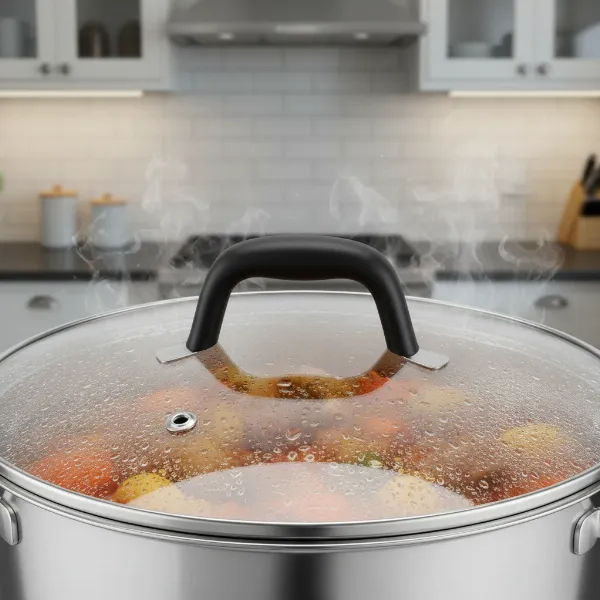 Transparent glass lid on a cooking pot, showing food inside, emphasizing visibility and steam.
Disadvantages of Glass Lids
Despite their visual appeal, glass lids come with certain drawbacks. Durability is a key concern; they are susceptible to shattering if dropped or if subjected to sudden, drastic temperature changes (thermal shock). This means they generally have lower oven-safe temperature limits, typically around 300-400°F (150-200°C), making them less versatile for oven-finished dishes. Many glass lids also feature steam vents, which, while preventing excessive pressure buildup and boil-overs, inherently allow some heat and moisture to escape, potentially reducing their overall heat retention efficiency compared to unvented alternatives. Cleaning can also be a minor issue, as food particles might get trapped in the metal rim or around the handle where it’s attached.
Metal Lids (Stainless Steel): Robustness and Reliability
Metal lids, particularly those made from stainless steel, are renowned for their durability and robust performance, especially in high-heat cooking scenarios.
Advantages of Metal Lids
When it comes to pure heat retention, stainless steel lids generally hold an edge. Their solid construction distributes and traps heat more effectively, making them ideal for dishes requiring consistent, prolonged heat, such as slow-cooked stews, braised meats, or hearty curries. The thicker gauge of some stainless steel lids can also contribute to a tighter seal and better heat insulation. Furthermore, metal lids are exceptionally durable, capable of withstanding drops, dents, and high temperatures without cracking or shattering. They are typically oven-safe to much higher temperatures than glass lids, making them perfect for transferring dishes from stovetop to oven. Many metal lids are also designed without steam vents, leading to superior moisture retention, which is crucial for recipes that rely on trapped steam, like perfectly cooked rice.
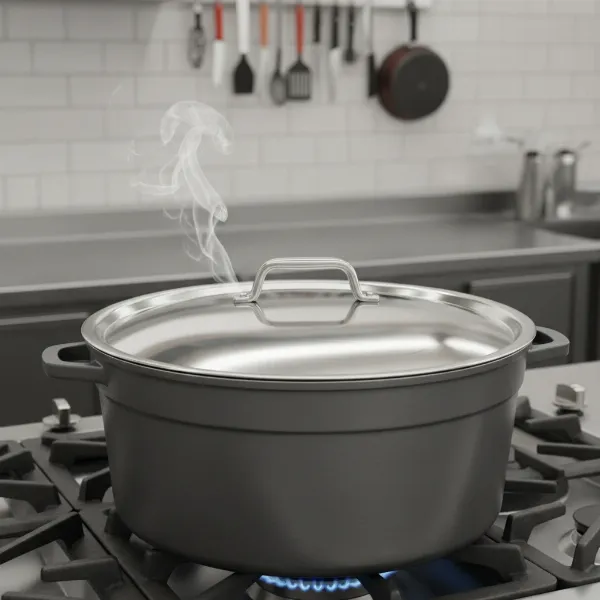 Durable stainless steel lid on a heavy-duty pot, symbolizing superior heat retention and robustness.
Disadvantages of Metal Lids
The primary drawback of a metal lid is its opacity. You must lift the lid to check on your food, which inevitably leads to a momentary loss of heat and steam. While this might not significantly impact robust dishes, it can be problematic for delicate preparations where consistent temperature and moisture are critical. Metal lids can also be heavier than their glass counterparts and, depending on the material and craftsmanship, may come at a higher price point. While generally easy to clean, they can show smudges and fingerprints more readily than glass.
Beyond Material: The Crucial Role of Lid Fit and Design
While the material of your lid matters, its design and fit are equally, if not more, critical for heat retention. A lid that sits snugly on the rim of the pot or pan will prevent heat and moisture from escaping, regardless of whether it’s glass or metal. Some glass lids with silicone rims are engineered to create an exceptionally tight seal, effectively trapping heat and steam. Similarly, heavier stainless steel lids can form a more secure seal simply due to their weight. The presence or absence of a steam vent also significantly impacts heat and moisture control; vented lids offer pressure release but sacrifice some retention, while unvented lids lock in maximum steam.
Which Lid for Which Culinary Task?
The “better” lid ultimately depends on your specific cooking needs and preferences:
- For Slow Cooking and Braising: Metal lids are often preferred due to their superior heat retention, even distribution, and high oven-safe temperatures, ensuring consistent, tender results over long cooking periods.
- For Simmering Delicate Sauces or Rice: Glass lids offer the advantage of visibility, allowing you to monitor without disturbing the cooking process, thus preventing unnecessary heat and moisture loss. However, a well-fitting, unvented metal lid can also be excellent for precise moisture control.
- For High-Heat Oven Finishing: Metal lids are the clear winner, as they can withstand much higher temperatures without risk of damage.
- For Everyday Stovetop Use: Both types are highly functional. Many home cooks find a mix of glass lids for easy monitoring and metal lids for heavy-duty tasks offers the best flexibility.
“The perfect lid isn’t about a single material, but how well it complements your cooking style and the dish at hand. A tight seal and the ability to cook undisturbed are paramount.” – Lan, Electric Cooker Technician, electriccookerreview.com
Conclusion
In the debate of glass versus metal lids for heat retention, the answer isn’t always black and white. While stainless steel lids generally boast superior overall heat retention and durability, glass lids offer the undeniable benefit of visibility, which can prevent heat loss from frequent checking. The critical factor for both is a tight, secure fit that minimizes steam and heat escape. Ultimately, the best choice often comes down to balancing visibility, durability, and specific cooking requirements. Many experienced chefs and home cooks opt for a combination of both types, leveraging the strengths of each for different culinary adventures.
What type of lid do you find most essential in your kitchen, and for what dishes?
Frequently Asked Questions
Do glass lids always have vents?
No, not all glass lids have vents. While many do to prevent boil-overs and pressure buildup, you can find unvented glass lids. However, vented designs are quite common.
Are metal lids truly indestructible?
While significantly more durable than glass, metal lids are not entirely indestructible. They can dent or scratch, and thin or cheap stainless steel might even rust over time if not properly cared for. However, they are highly resistant to shattering and thermal shock.
Can I use a metal lid on a glass pot?
Yes, as long as the metal lid fits securely and properly on the glass pot or casserole dish, it can be used for cooking, including in the oven if both the pot and lid materials are rated for the desired temperature.
What’s the best lid for moisture retention?
For maximum moisture retention, an unvented metal lid that forms a very tight seal with the pot is typically the best choice. This design traps nearly all the steam, keeping food tender and moist, ideal for dishes like rice or braises.
Is it worth having both types of lids?
Absolutely. Many households benefit from having a mix of both glass and metal lids. Glass lids are excellent for dishes that require visual monitoring, while metal lids are perfect for high-heat cooking, oven use, and situations where maximum heat and moisture retention are desired. This versatility allows you to choose the best tool for each specific cooking task.