Your electric cooker is a kitchen workhorse, silently ensuring perfectly cooked rice and other dishes daily. However, beneath its convenient exterior, a hidden threat often compromises its efficiency and longevity: limescale buildup on the heating plate. If you’ve noticed your cooker taking longer to heat, consuming more energy, or even imparting a strange taste to your food, chances are mineral deposits are the culprits. This comprehensive guide will walk you through effective, safe methods to descale your electric cooker heating plate, restoring it to peak performance.
Understanding Limescale: The Silent Performance Killer
Limescale is a hard, chalky deposit consisting mainly of calcium carbonate. It forms when hard water, rich in minerals like calcium and magnesium, is heated and evaporates, leaving these deposits behind. Over time, these layers accumulate on your electric cooker’s heating plate, forming a white or grayish crust. This buildup acts as an insulator, preventing heat from transferring efficiently to the cooking pot. As a result, your cooker works harder, uses more electricity, and takes longer to reach the desired temperature. Beyond efficiency, limescale can also affect the taste of your food and, if left unchecked, potentially shorten the lifespan of your appliance. Regular descaling, ideally once a month for daily users or more often in hard water areas, is crucial for maintaining performance and taste.
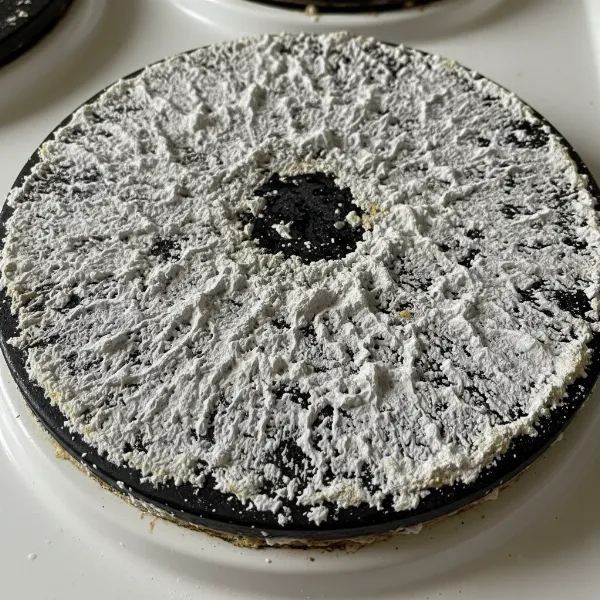 Close-up of limescale buildup on an electric cooker heating plate, showing white chalky deposits
Before You Begin: Safety First
Before attempting any cleaning or descaling, always prioritize safety. Ensure your electric cooker is completely unplugged from the power outlet and has cooled down to room temperature. Never immerse the entire electric cooker in water unless explicitly stated in your user manual. Always refer to your appliance’s owner’s manual for specific cleaning instructions and warnings, as some manufacturers may have particular recommendations or restrictions. Using non-abrasive cloths and brushes is also essential to avoid scratching delicate surfaces.
Method 1: The Vinegar Power Clean
White vinegar is a natural hero in the kitchen, and its mild acidity makes it an excellent, safe, and cost-effective solution for breaking down stubborn mineral buildup on your electric cooker’s heating plate.
What You’ll Need:
- White vinegar
- Water
- Soft cloth or sponge
- Non-abrasive brush (optional)
Step-by-Step Guide:
- Prepare the Solution: If your cooker allows for liquids directly on the heating plate (e.g., a rice cooker with a removable inner pot, where the heating plate is exposed), create a solution of one part white vinegar to three parts water. For heating plates designed to be damp-wiped, soak a cloth in this diluted solution.
- Apply and Let Stand:
- For accessible heating plates (like a kettle or certain rice cooker bases): Pour enough of the vinegar-water mixture to cover the heating plate surface.
- For less accessible heating plates: Dampen a soft cloth thoroughly with the solution and gently wipe the heating plate, ensuring good contact with the scaled areas. You might need to re-dampen the cloth several times.
- Allow to Work: Let the solution sit on the heating plate for a significant period. For light scale, 30 minutes to an hour might suffice. For heavy buildup, allowing it to stand overnight can be highly effective, giving the acid ample time to dissolve the mineral deposits.
- Scrub and Drain: After the standing time, gently scrub any remaining deposits with a non-abrasive brush or soft cloth. You should see the limescale beginning to loosen and detach. If a pool of liquid was used, carefully drain or wipe it away.
- Rinse Thoroughly: This is a crucial step to eliminate any lingering vinegar odor or taste. Fill the inner pot (if applicable) with clean water, place it on the heating plate, and bring it to a boil. Discard this water. Repeat this rinsing process at least twice with fresh water. For heating plates that can only be wiped, use a clean, damp cloth to wipe the surface multiple times, followed by a dry cloth. Your electric cooker is then ready for use, free of scale and vinegar residue.
Method 2: Citric Acid or Lemon Juice – The Natural Brightener
For those who prefer a less pungent alternative to vinegar or want to leave a fresh scent, citric acid powder or fresh lemon juice are fantastic natural descaling agents. Their acidic properties are equally effective at dissolving mineral deposits.
What You’ll Need:
- 1 tablespoon citric acid powder OR fresh lemon juice
- Water
- Soft cloth or sponge
Step-by-Step Guide:
- Add Descaling Agent: Pour one tablespoon of citric acid powder directly onto the heating plate or squeeze the juice of one or two lemons to cover the base.
- Add Water and Heat: Add enough water to just cover the heating plate. If your cooker has a “boil” function or can heat water, activate it and bring the mixture to a boil. The heat accelerates the descaling process.
- Discard and Rinse: Once the mixture has boiled (or after it has sat for an hour if boiling is not an option), discard the water. Rinse the heating plate thoroughly with clean water, repeating the boiling and draining steps with fresh water as needed to ensure no residue remains. The lemon will leave a pleasant, fresh aroma.
Method 3: Baking Soda – The Gentle Scrubber
Baking soda is a mild abrasive and a versatile cleaner that can be particularly effective for removing lighter scale and general grime that often accompanies mineral deposits.
What You’ll Need:
- 1-2 tablespoons baking soda
- Water
- Non-abrasive brush or soft cloth
Step-by-Step Guide:
- Create a Paste: Mix 1-2 tablespoons of baking soda with a small amount of water to form a thick paste.
- Apply to Heating Plate: Apply the baking soda paste directly to the scaled areas of the heating plate.
- Let it Sit: Allow the paste to sit for about 10-15 minutes, giving it time to interact with the deposits.
- Gently Scrub: Using a non-abrasive brush or a soft, damp cloth, gently scrub the heating plate in circular motions. The mild abrasive action of the baking soda will help lift and remove the loosened scale and grime.
- Rinse and Dry: Wipe away the paste and loosened deposits with a clean, damp cloth. Repeat with fresh damp cloths until all residue is gone, then dry the heating plate thoroughly with a clean towel.
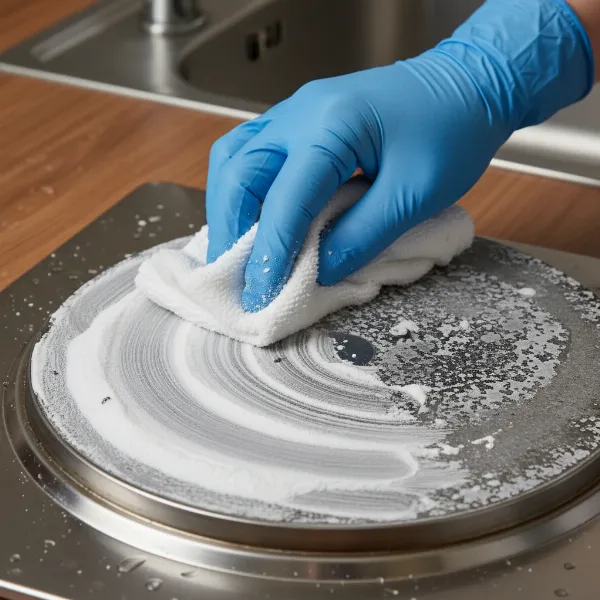 Hand gently scrubbing electric cooker heating plate with soft cloth and baking soda paste
Preventative Measures to Keep Your Heating Plate Pristine
While descaling is essential, prevention is always better than cure. By adopting a few simple habits, you can significantly reduce the rate of limescale buildup on your electric cooker heating plate:
- Use Filtered Water: If you live in an area with hard water, consider using filtered water for cooking. This significantly reduces the mineral content introduced to your cooker.
- Wipe Dry After Each Use: After each use, once the cooker has cooled, wipe the heating plate clean and dry with a soft cloth. This removes any standing water before minerals have a chance to solidify.
- Regular Light Cleaning: A quick wipe down of the heating plate with a damp cloth after every few uses can prevent minor deposits from becoming major problems.
Common Mistakes to Avoid
To protect your electric cooker and ensure its longevity, steer clear of these common descaling errors:
- Using Abrasive Materials: Steel wool, harsh scrubbers, or abrasive cleaning pads can scratch the heating plate’s surface, making it more prone to future buildup and potentially damaging the appliance.
- Harsh Chemical Cleaners: Unless specifically recommended by the manufacturer, avoid strong chemical descalers or oven cleaners. These can be too aggressive for your cooker’s internal components and may leave behind harmful residues.
- Not Rinsing Thoroughly: Failing to rinse adequately after descaling with vinegar or citric acid can leave a lingering taste or odor that will transfer to your food.
- Ignoring the Manual: Your electric cooker’s manual contains specific care instructions. Always consult it first to avoid voiding warranties or causing damage.
“Regular maintenance, especially descaling in hard water areas, isn’t just about cleanliness; it’s about preserving the efficiency and flavor consistency your electric cooker was designed to deliver.” – Lan, Electric Cooker Technician, electriccookerreview.com
Conclusion
A clean and descaled heating plate is vital for the optimal performance and longevity of your electric cooker. By regularly removing mineral deposits with simple household ingredients like vinegar, citric acid, or baking soda, you ensure efficient heat transfer, consistent cooking results, and delicious, untainted food. Don’t let limescale secretly diminish your appliance’s potential. Integrate these easy steps into your kitchen routine, and your electric cooker will continue to be a reliable and efficient helper for years to come. What method will you try first to rejuvenate your electric cooker?
Frequently Asked Questions
Why does my electric cooker’s heating plate get white buildup?
|
Our Picks for the Best Electric cooker in 2026
As an Amazon Associate I earn from qualifying purchases.
|
||
| Num | Product | Action |
|---|---|---|
| 1 | Elite Gourmet EG808 8” x 8" Non-stick Electric Skillet, Dishwasher Safe with Tempered Glass Vented Lid, Rapid Heat Up, 600W, Black |

|
| 2 | Instant Pot Duo 7-in-1 Mini Electric Pressure Cooker, Slow Rice Cooker, Steamer, Sauté, Yogurt Maker, Warmer & Sterilizer, Includes Free App with over 1900 Recipes, Stainless Steel, 3 Quart |
|
| 3 | Dezin Hot Pot Electric with Steamer Upgraded, Non-Stick Sauté Pan, Rapid Noodles Electric Pot, 1.5L Mini Pot for Steak, Egg, Fried Rice, Ramen, Oatmeal, Soup with Power Adjustment |
|
| 4 | Dezin Hot Pot Electric with Steamer Upgraded, Non-Stick Sauté Pan, Rapid Noodles Electric Pot, 1.5L Mini Pot for Steak, Egg, Fried Rice, Ramen, Oatmeal, Soup with Power Adjustment |
|
| 5 | AMZCHEF Portable Induction Cooktop 20 Temperature & Power Levels, 1800W Induction Stove Burner with 6.8" Heating Coil, Low Noise Hot Plate Single Electric Cooktops Countertop Stove with Timer |
|
| 6 | Green 1L Mini Slow Cooker with Steamer Basket, 200W Smart Ceramic Electric Stew Pot, 24-Hour Timer & Auto Keep-Warm, Dry-Burn Protection, Kitchen Cooking Appliance |
|
| 7 | Dezin Hot Pot Electric with Steamer Upgraded, Non-Stick Sauté Pan, Rapid Noodles Electric Pot, 1.5L Mini Pot for Steak, Egg, Fried Rice, Ramen, Oatmeal, Soup with Power Adjustment |
|
| 8 | Pink 1L Ceramic Slow Cooker with Steamer Basket, 200W Mini Electric Stew Pot, 24-Hour Delayed Start & Auto Keep-Warm, Household Kitchen Safety Dry-Burn Protection Porridge & Soup Pot |
|
| 9 | Dezin Hot Pot Electric with Steamer Upgraded, Non-Stick Sauté Pan, Rapid Noodles Electric Pot, 1.5L Mini Pot for Steak, Egg, Fried Rice, Ramen, Oatmeal, Soup with Power Adjustment |
|
| 10 | Dezin Hot Pot Electric Upgraded, Non-Stick Sauté Pan, Rapid Noodles Electric Pot, 1.5L Mini Portable Hot Pot for Steak, Egg, Fried Rice, Ramen, Oatmeal, Soup with Power Adjustment |
|
The white buildup on your electric cooker’s heating plate is limescale, caused by minerals like calcium and magnesium naturally present in hard water. When water evaporates upon heating, these minerals are left behind, accumulating over time to form a chalky residue.
How often should I descale my electric cooker?
For optimal performance, it is generally recommended to descale your electric cooker heating plate at least once a month if you use it daily. If you live in an area with particularly hard water, you may need to descale more frequently, possibly every two to three weeks.
Is it safe to use vinegar to clean my electric cooker?
Yes, diluted white vinegar is generally a safe and effective method for descaling an electric cooker heating plate. Its mild acidity helps to break down mineral deposits without harsh chemicals. Always rinse thoroughly afterward to remove any lingering scent.
Can limescale affect the taste of my food?
Absolutely. Limescale can impart a metallic or otherwise unpleasant taste to water and, subsequently, to food cooked in an electric cooker. Descaling removes these mineral deposits, ensuring your food retains its intended flavor profile.
What should I avoid when descaling my electric cooker?
Avoid using abrasive scrubbers or harsh chemical cleaners, as these can scratch or damage the heating plate. Also, never submerge the entire Electric Cooker in water, and always ensure it is unplugged and cool before cleaning. Refer to your owner’s manual for specific product guidelines.