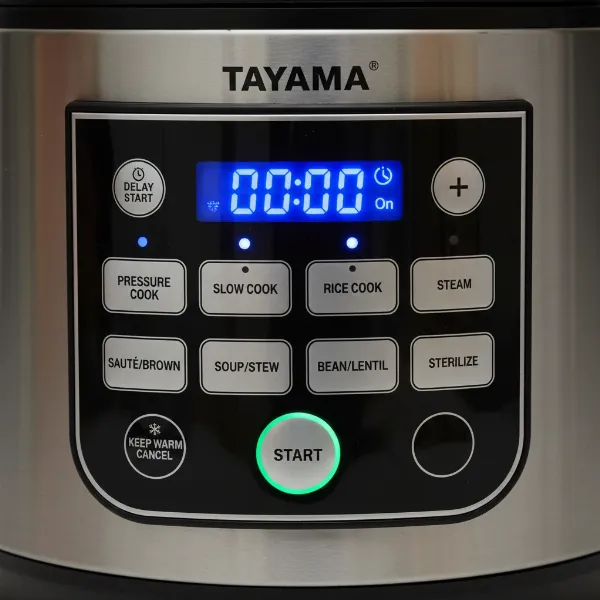
Getting rid of an old electric cooker can seem like a simple task, but doing so responsibly is crucial for environmental protection and resource conservation. As technology advances and appliances are upgraded, many find themselves with outdated or broken electric cookers that can’t simply be tossed in the regular trash. Understanding the correct methods for disposal ensures that hazardous materials are handled safely and valuable components are recycled, preventing landfill waste and pollution. This guide provides a comprehensive look at how to responsibly dispose of your old electric cooker, transforming a potential waste problem into an opportunity for sustainability.
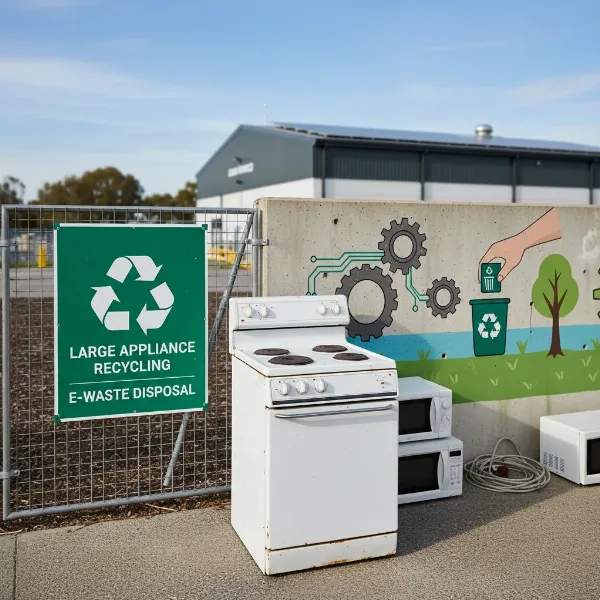 An old electric cooker being responsibly prepared for disposal or recycling, highlighting sustainability.
Why Responsible Electric Cooker Disposal Matters
Electric cookers, like most electronic waste (e-waste), contain various materials that can be harmful to the environment if not disposed of correctly. These often include plastics, metals, and sometimes even small amounts of hazardous substances like lead or mercury, which can leach into soil and water, posing risks to ecosystems and human health. Improper disposal also means losing out on the opportunity to reclaim valuable resources such as copper, aluminum, and steel, which can be reused in new products, reducing the need for virgin raw materials. By choosing responsible disposal methods, you contribute to a circular economy, minimize your carbon footprint, and support a healthier planet.
Understanding WEEE Regulations and E-Waste
Many regions globally have regulations in place to manage the disposal of Waste Electrical and Electronic Equipment (WEEE). These regulations are designed to prevent the environmental impact of e-waste by promoting collection, treatment, and recycling. Electric cookers fall under the category of large household appliances (LHA) within WEEE directives. These laws often mandate that producers are responsible for financing the collection and recycling of their products, and they encourage consumers to use designated collection points. Familiarizing yourself with local WEEE or e-waste guidelines is the first step towards compliant and eco-friendly disposal. This typically means separating e-waste from general household trash and taking it to specialized facilities.
Options for Disposing of Your Old Electric Cooker
When it’s time to say goodbye to your trusty kitchen companion, several responsible options are available. Each method has its own benefits and might be more suitable depending on your location and the condition of your appliance.
Recycling Centers and Household Waste Recycling Centres (HWRCs)
The most common and accessible method for disposing of old electric cookers is taking them to a dedicated recycling center or a Household Waste Recycling Centre (HWRC). These facilities are equipped to handle large appliances and separate them into their constituent materials for recycling. Most towns and cities will have at least one such center.
- How it works: You transport your electric cooker to the designated drop-off point. Staff or signage will direct you to the correct bay for large appliances or WEEE.
- Benefits: Ensures proper dismantling and recycling of materials. It’s often free of charge for residents.
- Considerations: Requires personal transportation and lifting of a heavy appliance. Check operating hours and specific acceptance policies beforehand.
|
Our Picks for the Best Electric cooker in 2026
As an Amazon Associate I earn from qualifying purchases.
|
||
| Num | Product | Action |
|---|---|---|
| 1 | Dezin Hot Pot Electric with Steamer Upgraded, Non-Stick Sauté Pan, Rapid Noodles Electric Pot, 1.5L Mini Pot for Steak, Egg, Fried Rice, Ramen, Oatmeal, Soup with Power Adjustment |

|
| 2 | Dezin Hot Pot Electric with Steamer Upgraded, Non-Stick Sauté Pan, Rapid Noodles Electric Pot, 1.5L Mini Pot for Steak, Egg, Fried Rice, Ramen, Oatmeal, Soup with Power Adjustment |
|
| 3 | Dezin Hot Pot Electric Upgraded, Non-Stick Sauté Pan, Rapid Noodles Electric Pot, 1.5L Mini Portable Hot Pot for Steak, Egg, Fried Rice, Ramen, Oatmeal, Soup with Power Adjustment |
|
| 4 | Dezin Hot Pot Electric with Steamer Upgraded, Non-Stick Sauté Pan, Rapid Noodles Electric Pot, 1.5L Mini Pot for Steak, Egg, Fried Rice, Ramen, Oatmeal, Soup with Power Adjustment |
|
| 5 | Pink 1L Ceramic Slow Cooker with Steamer Basket, 200W Mini Electric Stew Pot, 24-Hour Delayed Start & Auto Keep-Warm, Household Kitchen Safety Dry-Burn Protection Porridge & Soup Pot |
|
| 6 | Instant Pot Duo 7-in-1 Mini Electric Pressure Cooker, Slow Rice Cooker, Steamer, Sauté, Yogurt Maker, Warmer & Sterilizer, Includes Free App with over 1900 Recipes, Stainless Steel, 3 Quart |
|
| 7 | AMZCHEF Portable Induction Cooktop 20 Temperature & Power Levels, 1800W Induction Stove Burner with 6.8" Heating Coil, Low Noise Hot Plate Single Electric Cooktops Countertop Stove with Timer |
|
| 8 | Green 1L Mini Slow Cooker with Steamer Basket, 200W Smart Ceramic Electric Stew Pot, 24-Hour Timer & Auto Keep-Warm, Dry-Burn Protection, Kitchen Cooking Appliance |
|
| 9 | Elite Gourmet EG808 8” x 8" Non-stick Electric Skillet, Dishwasher Safe with Tempered Glass Vented Lid, Rapid Heat Up, 600W, Black |
|
| 10 | Dezin Hot Pot Electric with Steamer Upgraded, Non-Stick Sauté Pan, Rapid Noodles Electric Pot, 1.5L Mini Pot for Steak, Egg, Fried Rice, Ramen, Oatmeal, Soup with Power Adjustment |
|
Retailer Take-Back Schemes
Many appliance retailers offer take-back schemes, especially when you purchase a new electric cooker from them. This is often a convenient option as they will typically collect your old appliance when delivering the new one.
- How it works: When buying a new cooker, inquire about their old appliance removal or recycling service. Some retailers offer this for a small fee or even free as part of a promotion.
- Benefits: Highly convenient, saves you the effort of transporting a heavy item.
- Considerations: May only apply if you purchase a new appliance from the same retailer. Verify any associated costs or scheduling requirements.
Charity Donations and Reusing
If your electric cooker is still in good working condition and has life left in it, consider donating it to a charity or rehoming it. Many charities, second-hand shops, or community initiatives accept working appliances to sell at affordable prices or distribute to families in need.
- How it works: Contact local charities or non-profit organizations that accept appliance donations. They might offer pick-up services for larger items.
- Benefits: Extends the product’s lifespan, reduces waste, and helps those in need. It’s the most environmentally friendly option for functional appliances.
- Considerations: The cooker must be in good, safe, and working order. Ensure it meets any electrical safety standards required by the receiving organization.
Junk Removal Services
For those who prefer a hands-off approach, professional junk removal services can be a convenient solution. These companies specialize in collecting and disposing of various items, including large appliances.
- How it works: Schedule a pick-up with a local junk removal company. They will come to your home, collect the electric cooker, and transport it for appropriate disposal or recycling.
- Benefits: Very convenient, no lifting or transporting required on your part.
- Considerations: This is typically a paid service, with costs varying depending on your location and the company. Ensure the company has a responsible disposal policy for e-waste.
Manufacturer Recycling Programs
Some appliance manufacturers run their own recycling programs or partner with third-party recyclers. This can be a less common but highly effective option, ensuring the appliance is recycled according to the manufacturer’s specific guidelines.
- How it works: Check the manufacturer’s website or contact their customer service for information on recycling programs available in your region.
- Benefits: Often ensures a high standard of recycling, potentially leading to better material recovery.
- Considerations: Availability varies by manufacturer and geographical location.
Preparing Your Electric Cooker for Disposal
Regardless of the disposal method you choose, a few simple steps can help ensure a smooth and safe process.
- Disconnect Power: Always unplug the electric cooker from its power source. If it’s hardwired, you may need a qualified electrician to safely disconnect it. Safety is paramount to avoid electrical hazards.
- Clean Thoroughly: Remove any food debris, grease, or accumulated grime from the oven cavity, hob, and exterior. A clean appliance is easier and more pleasant for recyclers or new owners to handle.
- Remove Loose Parts: Take out any removable racks, trays, or hob elements. While these usually stay with the cooker, some charities might appreciate these being separate, or you might want to clean them individually.
- Check for Personal Items: Double-check all compartments for any personal belongings that might have accidentally been left inside.
What Not to Do When Disposing of an Electric Cooker
Improper disposal can lead to fines, environmental damage, and resource waste. Avoid these common mistakes:
- Do Not Put in Regular Household Trash: Electric cookers are too large for standard waste collection and contain materials that should not go to landfill. They are classified as e-waste and require special handling.
- Do Not Fly-Tip: Abandoning an appliance in public or unauthorized areas is illegal, an eyesore, and harmful to the environment. It can result in significant fines.
- Do Not Attempt to Dismantle Unless Qualified: While breaking down an appliance might seem like a way to help recycling, it can be dangerous due to electrical components and sharp edges. Leave dismantling to professionals at recycling centers.
Benefits of Recycling Electric Cookers
The decision to recycle your electric cooker goes beyond simply getting rid of an old appliance. It actively contributes to several positive outcomes:
- Environmental Protection: Prevents hazardous materials from contaminating soil and water.
- Resource Conservation: Recovers valuable metals (steel, copper, aluminum) and plastics, reducing the need for virgin raw materials.
- Energy Savings: Recycling often uses less energy than producing new materials from scratch.
- Reduced Landfill Waste: Keeps large, bulky items out of already overflowing landfills.
- Economic Benefits: Supports the recycling industry, creating jobs and fostering innovation in waste management.
By embracing responsible disposal practices, you play an active role in fostering a more sustainable future for everyone.
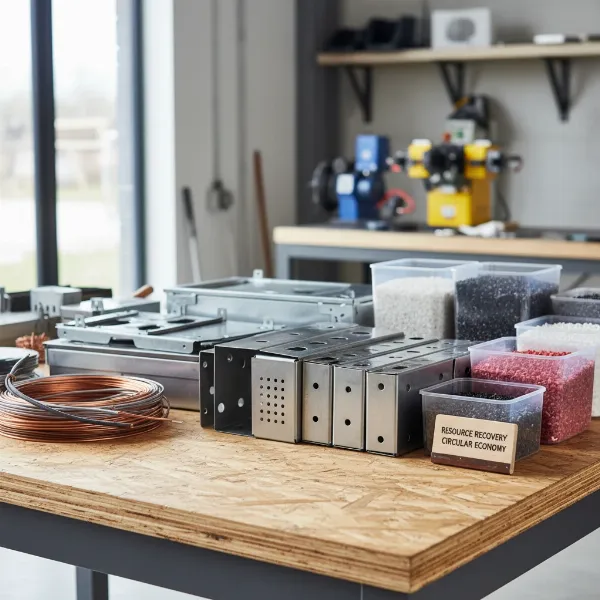 Various sorted materials like metals and plastics recovered from recycled electric cookers, ready for reuse.
Conclusion
Disposing of an old electric cooker might seem like a chore, but it’s a vital step in maintaining environmental health and supporting a circular economy. From utilizing local recycling centers and convenient retailer take-back schemes to exploring charitable donations for functional units, there are numerous avenues to ensure your appliance is handled with care. Remember the importance of preparing your cooker for disposal and, crucially, avoiding improper methods like general waste bins or fly-tipping. Each decision we make about our waste has an impact, and choosing to recycle your electric cooker responsibly is a simple yet powerful way to contribute to a greener planet. How will your next appliance upgrade contribute to a more sustainable lifestyle?
Frequently Asked Questions
What makes electric cookers considered e-waste?
Electric cookers are considered e-waste because they are electrical appliances containing various components such as metals, plastics, and electronic circuitry. These materials can include small amounts of hazardous substances that require specialized processing for safe disposal and efficient material recovery.
Can I put my old electric cooker out for curbside bulky waste collection?
It depends on your local municipality’s waste collection policies. Some areas offer bulky waste collection services that may include large appliances. You should contact your local waste management authority to confirm if electric cookers are accepted and to schedule a pickup if available.
Is it safe to leave the power cord attached when disposing of an electric cooker?
Yes, it is generally safe to leave the power cord attached when disposing of an electric cooker at a designated recycling facility or through a take-back scheme. These facilities are equipped to handle and process all parts of the appliance safely, including the cords, for recycling.
What happens to an electric cooker after it’s recycled?
After an Electric Cooker is recycled, it is typically dismantled, and its various components are separated. Metals like steel, copper, and aluminum are melted down and reused, while plastics are granulated and repurposed. Any hazardous materials are treated and disposed of safely to prevent environmental contamination.