Risotto, the quintessential Italian rice dish, is often perceived as a culinary challenge, requiring constant attention and a dedicated stovetop. However, with the right approach, your electric hot pot can become an unexpected ally in creating this rich, creamy delicacy right in your home kitchen. This guide will walk you through transforming simple ingredients into a restaurant-quality risotto, tailored for your versatile electric hot pot.
Understanding Your Electric Hot Pot for Risotto
Before diving into the recipe, it’s crucial to understand your electric hot pot’s capabilities. For risotto, an electric hot pot that offers adjustable temperature settings and ideally a “sauté” function is best. This allows you to control the heat precisely, from initial sautéing to the gentle simmer required for rice absorption. It’s important to distinguish an electric hot pot suitable for cooking from an electric kettle. Electric kettles are designed solely for boiling water and are not safe or effective for cooking ingredients like rice, as they cannot sustain continuous boiling or handle solids without potential damage.
While many recipes discuss making risotto in an electric pressure cooker (like an Instant Pot), which uses a “set it and forget it” high-pressure method after initial sautéing, our focus here is on a non-pressure electric hot pot. This method will closely mirror traditional stovetop cooking, embracing the gentle stirring and gradual liquid addition that develops risotto’s characteristic creaminess.
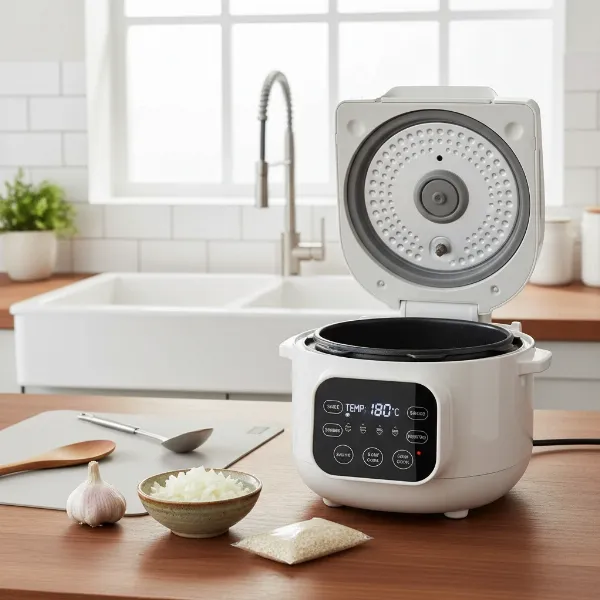 A modern electric hot pot set up in a kitchen, ready for cooking risotto with ingredients nearby.
Essential Ingredients for Perfect Electric Hot Pot Risotto
The beauty of risotto lies in its simple yet high-quality ingredients. Choosing the right components is key to achieving that rich, satisfying texture and flavor.
- Arborio Rice: This short-grain rice is the cornerstone of any great risotto. Its high starch content is crucial for achieving the creamy texture as it releases starch when agitated. Carnaroli and Vialone Nano are also excellent alternatives, known for their ability to absorb liquid while maintaining a firm bite.
- Warm Broth: Whether chicken, vegetable, or mushroom, using warm broth is vital. Adding cold broth will drop the temperature of your pot, interrupting the cooking process and potentially yielding unevenly cooked rice. Keep your broth simmering gently in a separate pot or microwave it in batches.
- Aromatics: Finely diced onion (or shallots) and minced garlic form the flavorful base of most risottos.
- Dry White Wine (Optional but Recommended): A splash of dry white wine (like Sauvignon Blanc or Pinot Grigio) adds a layer of acidity and depth, deglazing the pot and enhancing the overall flavor.
- Fat: Olive oil and butter are essential for sautéing and finishing the dish, contributing to its richness and mouthfeel.
- Finishing Touches: Freshly grated Parmesan cheese and a knob of cold butter are stirred in at the end to create the luxurious, velvety texture known as mantecatura. Fresh herbs like parsley or chives can add a bright, fresh note.
Step-by-Step Guide: Making Risotto in an Electric Hot Pot
Follow these steps for a delightful risotto experience in your electric hot pot.
1. Preparation is Key
|
Our Picks for the Best Electric Cooker in 2026
As an Amazon Associate I earn from qualifying purchases.
|
||
| Num | Product | Action |
|---|---|---|
| 1 | Dezin Hot Pot Electric with Steamer Upgraded, Non-Stick Sauté Pan, Rapid Noodles Electric Pot, 1.5L Mini Pot for Steak, Egg, Fried Rice, Ramen, Oatmeal, Soup with Power Adjustment |

|
| 2 | Green 1L Mini Slow Cooker with Steamer Basket, 200W Smart Ceramic Electric Stew Pot, 24-Hour Timer & Auto Keep-Warm, Dry-Burn Protection, Kitchen Cooking Appliance |
|
| 3 | Pink 1L Ceramic Slow Cooker with Steamer Basket, 200W Mini Electric Stew Pot, 24-Hour Delayed Start & Auto Keep-Warm, Household Kitchen Safety Dry-Burn Protection Porridge & Soup Pot |
|
| 4 | Dezin Hot Pot Electric with Steamer Upgraded, Non-Stick Sauté Pan, Rapid Noodles Electric Pot, 1.5L Mini Pot for Steak, Egg, Fried Rice, Ramen, Oatmeal, Soup with Power Adjustment |
|
| 5 | Elite Gourmet EG808 8” x 8" Non-stick Electric Skillet, Dishwasher Safe with Tempered Glass Vented Lid, Rapid Heat Up, 600W, Black |
|
| 6 | Dezin Hot Pot Electric with Steamer Upgraded, Non-Stick Sauté Pan, Rapid Noodles Electric Pot, 1.5L Mini Pot for Steak, Egg, Fried Rice, Ramen, Oatmeal, Soup with Power Adjustment |
|
| 7 | Dezin Hot Pot Electric Upgraded, Non-Stick Sauté Pan, Rapid Noodles Electric Pot, 1.5L Mini Portable Hot Pot for Steak, Egg, Fried Rice, Ramen, Oatmeal, Soup with Power Adjustment |
|
| 8 | Dezin Hot Pot Electric with Steamer Upgraded, Non-Stick Sauté Pan, Rapid Noodles Electric Pot, 1.5L Mini Pot for Steak, Egg, Fried Rice, Ramen, Oatmeal, Soup with Power Adjustment |
|
| 9 | AMZCHEF Portable Induction Cooktop 20 Temperature & Power Levels, 1800W Induction Stove Burner with 6.8" Heating Coil, Low Noise Hot Plate Single Electric Cooktops Countertop Stove with Timer |
|
| 10 | Instant Pot Duo 7-in-1 Mini Electric Pressure Cooker, Slow Rice Cooker, Steamer, Sauté, Yogurt Maker, Warmer & Sterilizer, Includes Free App with over 1900 Recipes, Stainless Steel, 3 Quart |
|
Measure out all your ingredients before you start cooking. Finely dice your onion and mince your garlic. Warm your broth in a separate pot; it should be hot but not vigorously boiling. Grate your Parmesan cheese. This mise en place ensures a smooth cooking process.
2. Sauté the Aromatics
Turn your electric hot pot to a medium-high sauté setting or equivalent. Add a tablespoon of olive oil and a knob of butter. Once the butter has melted and the oil is shimmering, add the diced onion. Sauté, stirring occasionally, until the onion is translucent and softened, which usually takes about 3-5 minutes. Add the minced garlic and cook for another minute until fragrant, being careful not to burn it.
3. Toast the Rice
Add the Arborio rice to the hot pot. Stir continuously for 2-3 minutes, ensuring each grain is coated in the oil and butter mixture and becomes slightly translucent around the edges with a tiny opaque center. This toasting step (called tostatura) helps the rice absorb liquid more evenly and prevents it from becoming mushy.
4. Deglaze with Wine
Pour in the dry white wine (if using). Stir constantly until the wine is almost completely absorbed by the rice and the alcohol has evaporated, typically 1-2 minutes. This deglazing step adds a complex flavor profile to the risotto.
5. Gradually Add Warm Broth
Reduce your electric hot pot’s heat to a medium-low setting, maintaining a gentle simmer. Add one ladleful (about ½ cup) of the warm broth to the rice. Stir gently and continuously until the broth is almost completely absorbed by the rice. This constant agitation helps release the starch from the rice, creating the creamy consistency. Continue adding broth, one ladleful at a time, stirring until each addition is absorbed before adding the next. This process usually takes 18-25 minutes.
6. Monitor and Adjust
Throughout the cooking process, taste the rice regularly. You’re looking for an al dente texture—tender but with a slight bite in the center. If the rice starts to stick to the bottom of the pot, add broth more frequently and stir a bit more vigorously. Adjust the heat as needed to maintain a consistent, gentle simmer.
7. The Grand Finale: Mantecatura
Once the rice is cooked al dente and has achieved a creamy consistency, remove the pot from the heat or turn off your electric hot pot. Stir in a generous knob of cold butter and a good amount of freshly grated Parmesan cheese. Continue stirring vigorously for a minute or two; this emulsifies the butter and cheese into the rice, creating a luscious, velvety texture. This finishing step is known as mantecatura. If the risotto seems too thick, add a splash more warm broth until it reaches your desired consistency – it should be fluid and spreadable, not stiff.
Season with salt and freshly ground black pepper to taste. Garnish with fresh herbs if desired, and serve immediately. Risotto waits for no one!
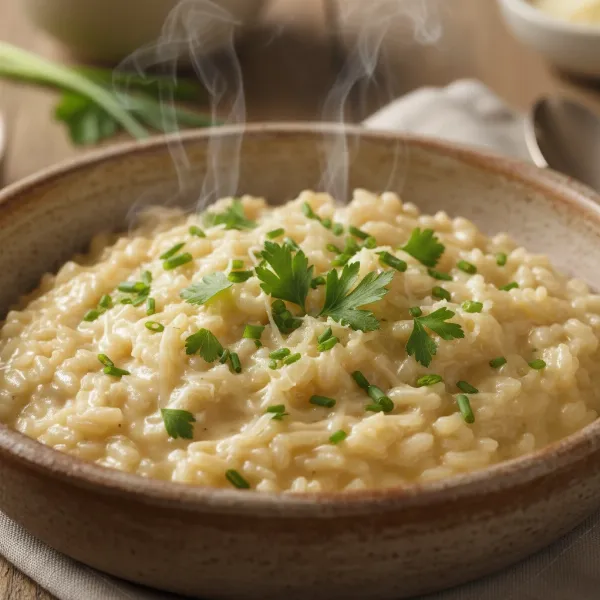 A close-up of a perfectly creamy risotto garnished with fresh herbs in a serving bowl.
Tips for Success
- Warm Broth is Non-Negotiable: Always use warm or hot broth. Cold broth shocks the rice and hinders proper starch release.
- Stir, But Don’t Over-Stir: Constant, gentle stirring is necessary to release starches, but don’t obsessively stir. A steady, rhythmic motion is perfect.
- Taste as You Go: This is the best way to determine if the rice is cooked to perfection and if the seasoning is right.
- Don’t Overcook: Risotto should be creamy but still have a slight bite (al dente). Overcooked risotto becomes mushy.
- Proper Heat Management: Your electric hot pot’s adjustable heat is an asset. Learn to manage it to keep the rice at a consistent, gentle simmer throughout the broth addition.
- Good Quality Ingredients: Since risotto has few ingredients, the quality of each shines through. Invest in good Arborio rice, flavorful broth, and fresh Parmesan.
Common Mistakes to Avoid
- Using the Wrong Rice: Regular long-grain rice won’t release enough starch and won’t give you the creamy texture. Stick to Arborio, Carnaroli, or Vialone Nano.
- Adding Cold Broth: As mentioned, this stops the cooking process and affects the final texture.
- Adding All Broth at Once (for non-pressure method): While convenient in a pressure cooker, this will result in boiled rice rather than creamy risotto in a standard electric hot pot. Gradual addition is key.
- Overcrowding the Pot: Make sure your electric hot pot is large enough so the rice cooks in a relatively even layer. An overcrowded pot can lead to uneven cooking.
- Forgetting the Mantecatura: The final stir-in of butter and cheese is crucial for the risotto’s signature richness and creaminess.
Electric Hot Pot Risotto vs. Pressure Cooker Risotto
While both methods can yield delicious risotto, they operate differently. An electric hot pot, when used for risotto, mimics the traditional stovetop method: sautéing, toasting rice, then gradually adding warm broth with continuous stirring until the rice is al dente. This method allows for precise control over consistency and flavor development throughout the cooking process.
In contrast, an electric pressure cooker (like an Instant Pot) often involves sautéing, adding all the liquid at once, and then pressure cooking for a shorter duration (typically 5-7 minutes) before a quick or natural release of pressure. While faster and requiring less active stirring during the pressure cooking phase, the texture can sometimes be slightly different, and the “mantecatura” at the end is even more critical to achieve creaminess. The electric hot pot method offers a more hands-on, traditional experience with similar delicious results.
Conclusion
Making risotto in an electric hot pot is not only possible but also a rewarding culinary adventure. By understanding your appliance and following the essential steps of sautéing, toasting, gradually adding warm broth, and constant stirring, you can consistently achieve a perfectly creamy, flavorful dish. This method empowers you to enjoy the timeless elegance of risotto with the convenience of your electric hot pot, transforming everyday meals into special occasions.
So, are you ready to impress your family and friends with a magnificent, creamy risotto, crafted with care in your own electric hot pot?
Frequently Asked Questions
What’s the best rice for risotto?
Arborio rice is widely considered the best choice for risotto due to its high amylopectin starch content, which is released during cooking and stirring to create the dish’s signature creamy texture. Carnaroli and Vialone Nano are also excellent, often preferred by chefs for their superior starch-to-grain ratio and resistance to overcooking.
Can I make risotto without wine?
Absolutely! If you prefer to omit wine, simply skip that step and continue with adding the broth. You can replace the wine with an equal amount of additional warm broth or even a splash of lemon juice at the end to add a touch of acidity. The risotto will still be delicious and creamy.
How do I know when risotto is done?
Risotto is done when the rice grains are al dente—tender to the bite but still firm in the center. The overall consistency should be creamy and fluid enough to spread slowly across the plate, not stiff or soupy. Taste frequently towards the end of the cooking process to gauge doneness.
Can I use an electric kettle to make risotto?
No, an electric kettle is not suitable for making risotto. Electric kettles are designed only to boil water and automatically shut off. They cannot maintain a continuous simmer, sauté ingredients, or handle solid foods, which are all necessary steps for cooking risotto. Attempting to cook rice or other foods in an electric kettle can damage the appliance and pose a safety risk.