In the rapidly evolving world of kitchen technology, selecting the right appliance can transform your cooking experience, making meal preparation more efficient and enjoyable. With countless options available, two popular contenders often vie for a spot on your countertop: the Instant Pot and the Electric Skillet. Both promise convenience, but their functionalities and ideal applications differ significantly. This comprehensive guide will delve into the core features, benefits, and limitations of each appliance, helping you determine which one best suits your culinary needs in 2026.
Understanding the Instant Pot
The Instant Pot is far more than just a pressure cooker; it’s a versatile multi-cooker designed to streamline various cooking processes. At its heart, it leverages pressure cooking technology, dramatically reducing the time required for dishes that traditionally take hours.
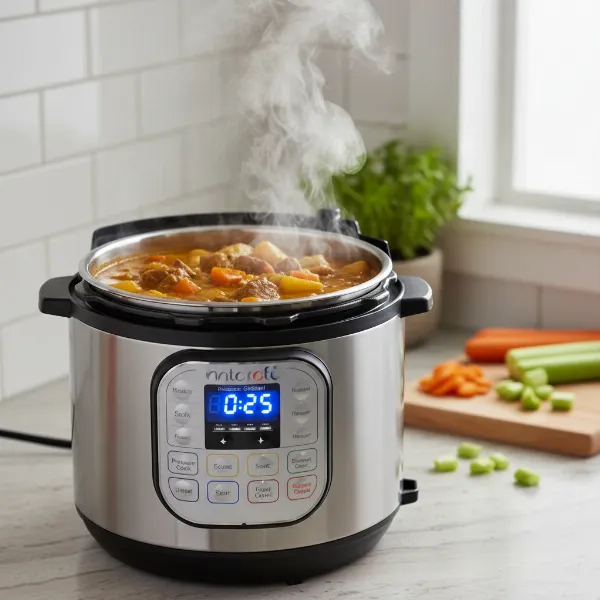 A modern Instant Pot cooking a meal with steam escaping, highlighting its pressure cooking function.
Key Features & Functions of an Instant Pot
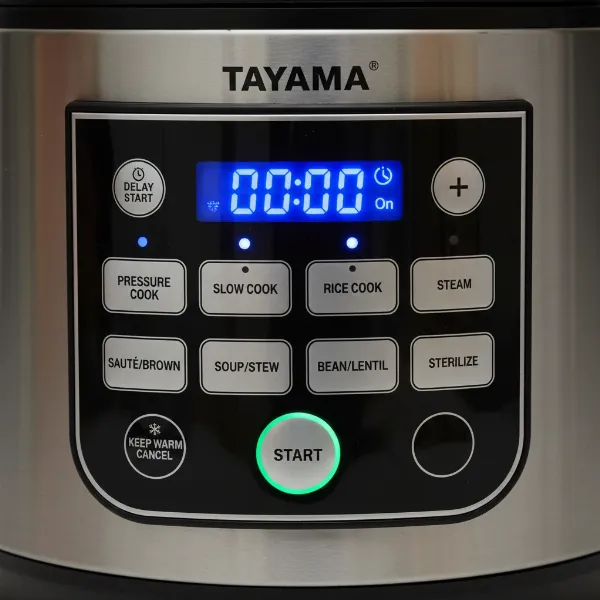
Modern Instant Pot models come equipped with a multitude of pre-programmed functions, allowing you to:
- Pressure Cook: This signature feature cooks food at high pressure and temperature, making tough cuts of meat tender in a fraction of the time and softening grains and beans quickly.
- Slow Cook: While its slow cook function is available, some users find it differs from a traditional slow cooker, sometimes cooking at a lower temperature.
- Sauté/Sear: The inner pot can be used to brown ingredients before pressure cooking, minimizing extra dirty dishes.
- Steam: Perfect for delicate vegetables, fish, and even hard-boiled eggs, which often come out creamier and easier to peel.
- Rice Cooker: It excels at cooking various types of rice to perfection.
- Yogurt Maker: Many models include a dedicated setting for making homemade yogurt.
- Keep Warm: Automatically switches to a keep warm setting after cooking.
|
Our Picks for the Best Electric cooker in 2026
As an Amazon Associate I earn from qualifying purchases.
|
||
| Num | Product | Action |
|---|---|---|
| 1 | Dezin Hot Pot Electric with Steamer Upgraded, Non-Stick Sauté Pan, Rapid Noodles Electric Pot, 1.5L Mini Pot for Steak, Egg, Fried Rice, Ramen, Oatmeal, Soup with Power Adjustment |

|
| 2 | Instant Pot Duo 7-in-1 Mini Electric Pressure Cooker, Slow Rice Cooker, Steamer, Sauté, Yogurt Maker, Warmer & Sterilizer, Includes Free App with over 1900 Recipes, Stainless Steel, 3 Quart |
|
| 3 | Elite Gourmet EG808 8” x 8" Non-stick Electric Skillet, Dishwasher Safe with Tempered Glass Vented Lid, Rapid Heat Up, 600W, Black |
|
| 4 | Dezin Hot Pot Electric with Steamer Upgraded, Non-Stick Sauté Pan, Rapid Noodles Electric Pot, 1.5L Mini Pot for Steak, Egg, Fried Rice, Ramen, Oatmeal, Soup with Power Adjustment |
|
| 5 | Dezin Hot Pot Electric with Steamer Upgraded, Non-Stick Sauté Pan, Rapid Noodles Electric Pot, 1.5L Mini Pot for Steak, Egg, Fried Rice, Ramen, Oatmeal, Soup with Power Adjustment |
|
| 6 | Dezin Hot Pot Electric with Steamer Upgraded, Non-Stick Sauté Pan, Rapid Noodles Electric Pot, 1.5L Mini Pot for Steak, Egg, Fried Rice, Ramen, Oatmeal, Soup with Power Adjustment |
|
| 7 | Pink 1L Ceramic Slow Cooker with Steamer Basket, 200W Mini Electric Stew Pot, 24-Hour Delayed Start & Auto Keep-Warm, Household Kitchen Safety Dry-Burn Protection Porridge & Soup Pot |
|
| 8 | Green 1L Mini Slow Cooker with Steamer Basket, 200W Smart Ceramic Electric Stew Pot, 24-Hour Timer & Auto Keep-Warm, Dry-Burn Protection, Kitchen Cooking Appliance |
|
| 9 | Dezin Hot Pot Electric Upgraded, Non-Stick Sauté Pan, Rapid Noodles Electric Pot, 1.5L Mini Portable Hot Pot for Steak, Egg, Fried Rice, Ramen, Oatmeal, Soup with Power Adjustment |
|
| 10 | AMZCHEF Portable Induction Cooktop 20 Temperature & Power Levels, 1800W Induction Stove Burner with 6.8" Heating Coil, Low Noise Hot Plate Single Electric Cooktops Countertop Stove with Timer |
|
Ideal Instant Pot Use Cases
The Instant Pot shines in scenarios where “set it and forget it” cooking is desired, especially for:
- Quick Meals with Long Cook Times: Dishes like stews, chili, pulled pork, and pot roasts that would typically simmer for hours are ready much faster.
- Dried Beans and Grains: Pre-soaking becomes optional for many legumes, and grains like steel-cut oats cook quickly.
- Meal Prepping: Its capacity and speed make it ideal for preparing large batches of food for the week, including cooking meat directly from frozen.
- Soups and Broths: Pressure cooking extracts deep flavors efficiently.
Understanding the Electric Skillet
An electric skillet, also known as an electric frying pan, is a self-contained countertop appliance with a built-in heating element and adjustable thermostat. Unlike traditional stovetop pans, it provides consistent and controlled heat across its entire cooking surface.
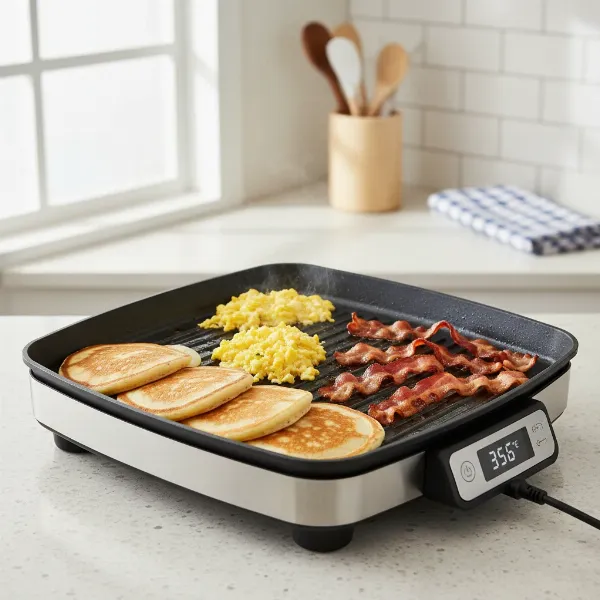 A spacious electric skillet frying breakfast foods like pancakes and bacon, showcasing even heat distribution.
Key Features & Functions of an Electric Skillet
Electric skillets offer direct, precise heat for a range of cooking tasks:
- Frying and Sautéing: Its primary function, delivering even heat for perfectly browned meats, vegetables, and fried dishes.
- Simmering and Braising: Equipped with high sides and a lid, it can effectively simmer sauces or braise meats.
- Baking: Some models can “bake” simple items like cornbread, cakes, or pizza directly in the pan.
- Deep Frying: Many can handle shallow to moderate depth frying due to their ability to maintain consistent oil temperatures.
- Buffet Server: Its consistent low heat and portability make it excellent for keeping food warm during gatherings.
- Adjustable Temperature Control: A precise dial allows users to set and maintain specific temperatures, minimizing guesswork.
Ideal Electric Skillet Use Cases
The electric skillet is a workhorse for direct-heat cooking and situations needing an extra cooking surface:
- Breakfast Staples: Perfect for pancakes, bacon, eggs, and sausage, often allowing for larger batches than a stovetop pan.
- One-Pan Meals: Its spacious surface and lid make it great for stir-fries, fajitas, and skillet dinners.
- Frying Foods: Excels at fried chicken, fritters, and other items requiring consistent oil temperature.
- Small Kitchens or Dorm Rooms: A practical solution when a full stovetop isn’t available or desired.
- Outdoor Cooking/Entertaining: Portable for use on a patio or as an auxiliary cooking station during parties.
Instant Pot vs. Electric Skillet: A Head-to-Head Comparison
Choosing between these two appliances often comes down to your primary cooking needs and preferences. Let’s compare them across several key aspects.
Cooking Method & Versatility
The fundamental difference lies in their cooking methods. The Instant Pot primarily uses moist heat and pressure, excelling at infusing flavors and tenderizing ingredients. It’s a true multi-cooker, combining the functions of several kitchen gadgets into one.
The Electric Skillet, on the other hand, specializes in dry heat cooking, offering direct and even heat application across a flat surface. While some models can braise or simmer, their core strength lies in surface-level cooking.
Speed & Efficiency
While the Instant Pot is celebrated for its “instant” moniker, it’s a bit of a misnomer. Recipes that traditionally take hours (like tough meats or dried beans) cook significantly faster. However, it still requires time to come up to pressure and release it, adding to the total cooking duration.
The Electric Skillet offers immediate, direct heat. For quick frying, sautéing, or preparing breakfast items, it heats up rapidly and begins cooking without a pre-pressurizing phase. For these tasks, it can be faster than waiting for an Instant Pot to build pressure.
Temperature Control
The Instant Pot relies on preset programs and pressure to regulate temperature. While it offers options for sautéing and slow cooking, the precise degree of heat control for these functions might be less granular than a dedicated appliance.
The Electric Skillet provides remarkably precise temperature control via its adjustable thermostat. This is a significant advantage for recipes that demand specific temperatures, such as deep-frying or delicate simmering, ensuring consistent results without hot spots.
Capacity & Size
Both appliances can be considered bulky, occupying valuable counter and storage space. Instant Pots typically have a cylindrical shape, often ranging from 3 to 8 quarts in capacity, making them suitable for stews, roasts, and large batches of grains.
Electric Skillets frequently feature larger, often rectangular or square cooking surfaces, with capacities reaching up to 20 cups. This expansive area is ideal for cooking multiple items simultaneously, like a full batch of pancakes or several pieces of fried chicken.
Cleaning & Maintenance
Many Instant Pot components, such as the inner pot and sealing ring (though the latter can retain odors), are often dishwasher safe, simplifying cleanup. However, the exterior unit and lid mechanisms require careful hand cleaning, particularly in crevices.
Electric Skillets commonly feature non-stick surfaces, making food release and initial cleanup straightforward. Many models have removable pans that are fully immersible or even dishwasher safe. However, the heating element base is usually not immersible and needs to be wiped clean.
Safety Features
Instant Pots are designed with multiple safety mechanisms, including lid lock systems, pressure and temperature sensors, and automatic steam release valves, making them much safer than older stovetop pressure cookers.
Electric Skillets typically include cool-touch handles, stable bases, and reliable thermostats to prevent overheating. Some non-stick coatings, however, can release fumes if subjected to excessively high temperatures or if scratched, so proper usage is key.
Portability & Space
The Electric Skillet generally offers greater portability. With just an electrical outlet, it can function as a complete cooking station in various locations outside the main kitchen, such as dorms, RVs, or even outdoors.
While an Instant Pot is also portable, its reliance on pressure cooking means it’s usually less suited for casual, on-the-go cooking scenarios where direct frying or searing is the main goal.
Best for Crispy/Browned Foods
Without a doubt, the Electric Skillet is superior for achieving crispy textures and deep browning. Its direct, even heat and open cooking surface allow for perfect searing, frying, and shallow baking.
The Instant Pot primarily cooks with steam and moisture, making crispy results challenging, even with its sauté function. If crispiness is crucial, you’ll likely need to finish dishes under a broiler or in a separate pan.
“The Instant Pot excels at tenderizing and infusing deep flavors quickly, making it a game-changer for hearty stews and grains. However, for that perfect golden crisp or precise temperature frying, the Electric Skillet remains king.” – Lan, Electric Cooker Technician at electriccookerreview.com
Which One Should You Choose?
The decision between an Instant Pot and an Electric Skillet ultimately depends on your individual cooking habits, kitchen setup, and culinary aspirations.
- Choose an Instant Pot if: You frequently cook tough meats, dried beans, grains, stews, or soups, and prioritize hands-off cooking and significantly reduced cooking times for these specific items. It’s also ideal if you want to consolidate multiple kitchen appliances into one versatile unit.
- Choose an Electric Skillet if: You regularly fry, sauté, or braise foods, need precise temperature control for consistent results, or require an extra cooking surface for large batches or entertaining. It’s also a smart choice for small kitchens, dorms, or for cooking away from a traditional stovetop.
Consider your cooking style: do you lean towards slow-cooked tenderness and infused flavors, or do you crave perfectly seared proteins and crispy fried dishes? Your answer will guide you to the appliance that will truly elevate your home cooking experience.
Frequently Asked Questions
Can an Instant Pot replace an Electric Skillet?
While an Instant Pot has a sauté function that can brown ingredients, it cannot fully replace an electric skillet, especially for tasks like achieving crispy fried foods, deep-frying, or cooking multiple items over a large, even surface.
Can an Electric Skillet deep fry?
Many electric skillets are capable of shallow to moderate depth frying. Their precise temperature control makes them suitable for maintaining consistent oil temperatures, which is crucial for deep frying. However, always check the specific model’s manual for recommendations and ensure sufficient oil depth for safety.
Is an Instant Pot faster than an Electric Skillet?
For dishes that traditionally require long cooking times (e.g., tough meats, dried beans), an Instant Pot is significantly faster. However, for quick-cooking tasks like sautéing or frying, an Electric Skillet often provides a quicker start and direct cooking, as it doesn’t require time to build pressure.
What are the main drawbacks of each appliance?
The Instant Pot’s drawbacks include its “not truly instant” cooking time (due to pressurizing/depressurizing), its bulkiness, potential difficulty cleaning crevices, and its inability to produce crispy foods. Electric skillets can also be bulky, are typically not oven-safe, and some models may be harder to clean if not immersible.