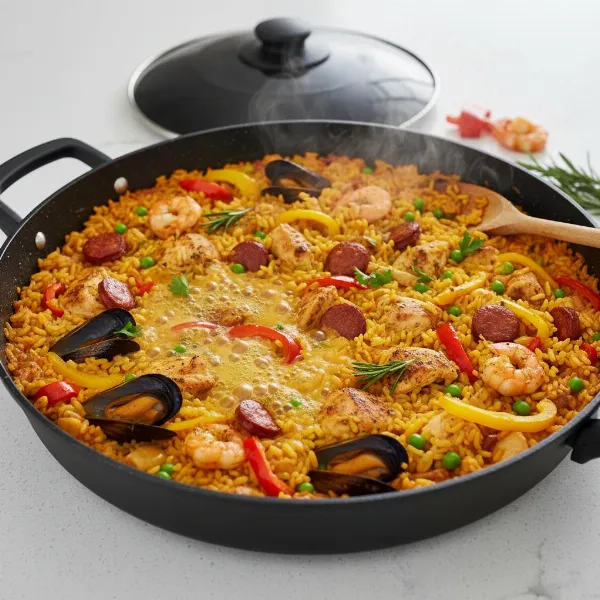
Life on the road, whether as a dedicated truck driver or a spirited road-trip adventurer, often means navigating a landscape of limited and expensive food options. Eating healthy can feel like a constant battle against convenience store snacks and greasy diner meals. But what if you could enjoy a hot, nutritious, home-cooked meal right from your vehicle? Portable electric cookers are transforming the way travelers eat, offering a convenient, cost-effective, and healthier alternative to roadside fare. These compact appliances empower you to take control of your diet, save money, and savor delicious meals no matter how far the journey takes you.
Types of Portable Electric Cookers for On-the-Go Meals
The world of portable electric cookers extends far beyond a simple microwave. For life on the road, functionality meets portability, offering several distinct types of appliances designed to fit the unique needs of truck drivers and road trippers. Understanding these categories is the first step to finding your perfect culinary companion.
- Portable Ovens/Stoves (12V): These devices are typically designed to plug into your vehicle’s 12-volt cigarette lighter outlet. They are often lauded for their ability to not only reheat pre-cooked food but also to cook certain meals from scratch, reaching temperatures around 300°F (148°C). Many models, like the RoadPro 12-Volt Portable Stove, are straightforward, requiring aluminum disposable trays for easy cooking and cleanup.
- Electric Lunch Boxes/Food Warmers (12V/24V/110V): Highly versatile, electric lunch boxes are compact and often feature multi-voltage compatibility (12V for cars, 24V for trucks, and 110V for home/office use). Brands such as Gideon, Koolatron, and FORABEST offer models that can heat food up to 300°F, making them excellent for warming leftovers or preparing simple meals. They usually come with removable stainless steel containers, heat-resistant casings, and secure clasps to prevent spills.
- Slow Cookers (12V): For those who crave hearty, slow-cooked meals, 12-volt slow cookers are a game-changer. These units plug directly into a 12-volt power port and cook at lower temperatures, typically between 140-170°F (60-77°C), over several hours. The RoadPro 12-V slow cooker, for instance, often features a 1.5-quart capacity, suitable for one to three people, and includes features like a glass lid and heat-resistant handles for safe handling.
- Mini Rice Cookers (12V/24V): While less common than general food warmers, dedicated portable rice cookers are available in 12V or 24V versions. These are perfect for those who want freshly cooked rice to accompany their meals or even to prepare small portions of oatmeal or other grains. Their specialized function ensures perfectly fluffed rice every time.
- Portable Electric Kettles/Hot Pots (12V/24V): Essential for hot beverages or instant meals, these devices quickly boil water or heat liquids. Brands like HIBIBUD offer 12V/24V car kettles ideal for coffee, tea, or preparing instant noodles and canned soups. Some “smart pots” also offer limited cooking capabilities beyond just boiling water.
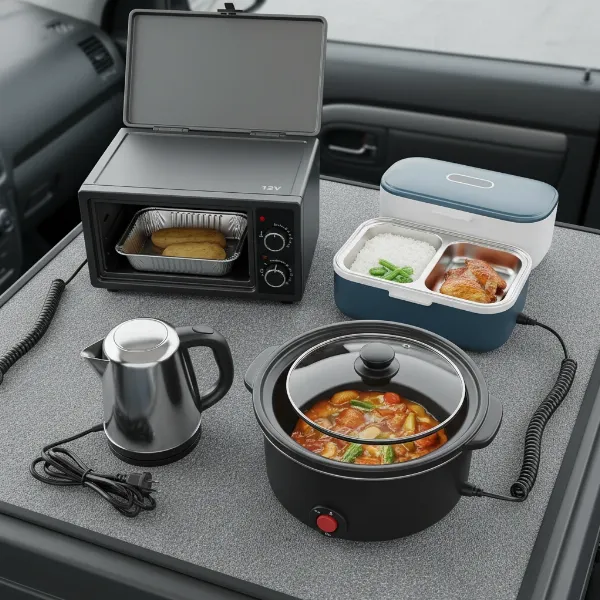 Diverse portable electric cookers, including a mini oven, lunch box, slow cooker, and kettle for travel.
Detailed Comparison of Portable Electric Cooker Types
Choosing the right electric cooker involves weighing several factors, from how you power it to what you plan to cook. Here’s a comparison to help you differentiate between the main types:
| Feature | Portable Ovens/Stoves (12V) | Electric Lunch Boxes (12V/24V/110V) | Slow Cookers (12V) | Mini Rice Cookers (12V/24V) | Portable Electric Kettles/Hot Pots (12V/24V) |
|---|---|---|---|---|---|
| Primary Use | Reheating, cooking from scratch | Reheating, simple cooking | Slow cooking, stews, soups | Cooking rice, grains | Boiling water, heating liquids |
| Power Source | 12V DC | 12V/24V DC, 110V AC | 12V DC | 12V/24V DC | 12V/24V DC |
| Max Temp (Avg) | 300°F (148°C) | 300°F (148°C) | 140-170°F (60-77°C) | Specialized rice cooking temperatures | Boiling (212°F/100°C) |
| Cooking Time | 30 min (reheat) to 2-3 hours (cook) | 30-60 min | 2-8 hours (depending on recipe) | 20-40 min | 5-15 min (to boil) |
| Capacity (Avg) | Single to double serving | Single serving | 1.5 quarts (2-3 servings) | 1-2 cups dry rice | 0.5-1.5 liters |
| Portability | Medium | High | Medium | High | Very High |
| Cleaning | Disposable trays, wipe clean | Removable stainless steel container | Dishwasher-safe ceramic pot | Non-stick inner pot | Easy wipe clean |
| Pros | Versatile, can cook many items | Multi-voltage, compact, secure | Hearty meals, set-it-and-forget-it | Perfect rice, dedicated function | Quick hot drinks, instant meals |
| Cons | Can be slow to cook, plastic latch issues | Smaller capacity | Heavier, takes longer, sides can be hot | Limited to rice/grains | Limited cooking ability |
Top-Rated Electric Cooker Models for the Road
Many brands have emerged as reliable choices for portable cooking solutions. Here are some of the most popular and well-regarded models frequently chosen by those who live or travel on the road:
- RoadPro 12-Volt Portable Stove: A highly popular choice, this stove plugs directly into a 12V outlet and can reheat and cook meals from scratch up to 300°F. Its generous size (10 x 7 x 7.8 inches) accommodates a substantial meal, and the 5.5 ft power cord offers flexibility. It uses disposable aluminum trays for easy cleanup, though some users note the plastic latch may not be the most durable.
- HotLogic Mini Personal Portable Oven: This intelligent device features a heat-reflective interior within a soft-sided, collapsible case. It excels at reheating and cooking from scratch without overcooking, accommodating various container types (metal, glass, plastic). While it comes with a mains plug, a simple inverter adapter makes it car-friendly.
- Gideon Heated Electric Lunch Box 12-Volt Portable Stove: This 12V lunch box heats food up to 300°F, capable of both reheating and cooking from raw ingredients. Its heat-resistant casing and secure clasp closure prioritize safety, making it ideal for use while driving. It’s lightweight and includes a 6 ft power cord.
- Koolatron LBS-01 Black 12 Volt Lunch Box Stove: Similar to the RoadPro, the Koolatron operates on a 12V cigarette lighter outlet and reaches 300°F. It’s praised for its generous capacity and sturdy latch, making it excellent for full meals or even warming baby food and bottles.
- FORABEST Electric Lunch Box Food Heater: Many iterations of this model offer multi-voltage compatibility (12V/24V/110V/220V) and often include a stainless steel container. They are designed for fast heating and are versatile for car, truck, home, and office use, making them a great all-in-one solution.
- Generic 12V/24V Portable Rice Cookers: While specific brands vary, numerous small-capacity rice cookers are available that operate on 12V or 24V. These are invaluable for ensuring you have perfectly cooked rice on hand, whether for a quick meal or as a base for more elaborate dishes.
How to Choose the Perfect Electric Cooker for Your Journey
Selecting the ideal electric cooker for your nomadic lifestyle requires careful consideration of your specific needs, the nature of your travels, and the capabilities of your vehicle.
Power Source Compatibility
|
Our Picks for the Best Electric cooker in 2026
As an Amazon Associate I earn from qualifying purchases.
|
||
| Num | Product | Action |
|---|---|---|
| 1 | Dezin Hot Pot Electric with Steamer Upgraded, Non-Stick Sauté Pan, Rapid Noodles Electric Pot, 1.5L Mini Pot for Steak, Egg, Fried Rice, Ramen, Oatmeal, Soup with Power Adjustment |

|
| 2 | Instant Pot Duo 7-in-1 Mini Electric Pressure Cooker, Slow Rice Cooker, Steamer, Sauté, Yogurt Maker, Warmer & Sterilizer, Includes Free App with over 1900 Recipes, Stainless Steel, 3 Quart |
|
| 3 | Elite Gourmet EG808 8” x 8" Non-stick Electric Skillet, Dishwasher Safe with Tempered Glass Vented Lid, Rapid Heat Up, 600W, Black |
|
| 4 | Green 1L Mini Slow Cooker with Steamer Basket, 200W Smart Ceramic Electric Stew Pot, 24-Hour Timer & Auto Keep-Warm, Dry-Burn Protection, Kitchen Cooking Appliance |
|
| 5 | Dezin Hot Pot Electric Upgraded, Non-Stick Sauté Pan, Rapid Noodles Electric Pot, 1.5L Mini Portable Hot Pot for Steak, Egg, Fried Rice, Ramen, Oatmeal, Soup with Power Adjustment |
|
| 6 | Dezin Hot Pot Electric with Steamer Upgraded, Non-Stick Sauté Pan, Rapid Noodles Electric Pot, 1.5L Mini Pot for Steak, Egg, Fried Rice, Ramen, Oatmeal, Soup with Power Adjustment |
|
| 7 | Dezin Hot Pot Electric with Steamer Upgraded, Non-Stick Sauté Pan, Rapid Noodles Electric Pot, 1.5L Mini Pot for Steak, Egg, Fried Rice, Ramen, Oatmeal, Soup with Power Adjustment |
|
| 8 | Pink 1L Ceramic Slow Cooker with Steamer Basket, 200W Mini Electric Stew Pot, 24-Hour Delayed Start & Auto Keep-Warm, Household Kitchen Safety Dry-Burn Protection Porridge & Soup Pot |
|
| 9 | Dezin Hot Pot Electric with Steamer Upgraded, Non-Stick Sauté Pan, Rapid Noodles Electric Pot, 1.5L Mini Pot for Steak, Egg, Fried Rice, Ramen, Oatmeal, Soup with Power Adjustment |
|
| 10 | AMZCHEF Portable Induction Cooktop 20 Temperature & Power Levels, 1800W Induction Stove Burner with 6.8" Heating Coil, Low Noise Hot Plate Single Electric Cooktops Countertop Stove with Timer |
|
This is paramount. Most vehicles provide 12V DC power through the cigarette lighter socket. Trucks often have 24V DC outlets. Many portable cookers are designed to plug directly into these. However, some appliances require 110V AC power, similar to household outlets. For these, you’ll need a power inverter to convert your vehicle’s DC power to AC. Assess your vehicle’s power outlets and any existing inverter capabilities before purchasing. Multi-voltage cookers (12V/24V/110V) offer the most flexibility.
Cooking Needs
Determine if you primarily need to reheat pre-cooked meals or if you plan to cook from scratch.
- Reheating: Most portable ovens and electric lunch boxes excel at quickly warming up leftovers in 30-60 minutes.
- Cooking from scratch: Portable ovens and slow cookers can prepare meals from raw ingredients. However, 12V ovens may take 2 to 2.5 times longer than a conventional home oven, while slow cookers can take several hours, ideal for cooking while you drive. Mini rice cookers are designed specifically for cooking rice perfectly.
Capacity and Size
Consider how many people you’re typically cooking for and the available space in your vehicle. For solo travelers, an electric lunch box or a small portable oven is usually sufficient. If you’re cooking for two or three, a 1.5-quart slow cooker might be more appropriate. Truck drivers generally have more cabin space than those in smaller cars, allowing for slightly larger units. Always measure your available space and compare it with the cooker’s dimensions.
Durability and Safety Features
Life on the road can be bumpy, so a durable cooker is essential. Look for:
- Heat-resistant outer casing: To protect hands and vehicle interiors from burns.
- Secure latches or clasps: To prevent spills, especially when driving on uneven roads or if the unit is accidentally tipped over.
- Auto shut-off: A useful safety feature, particularly for kettles, to prevent overheating.
Ease of Cleaning
Nobody wants to spend precious travel time scrubbing pots. Consider models with:
- Disposable aluminum trays: Like those used by the RoadPro portable stove, for quick cleanup.
- Removable stainless steel containers: Found in many electric lunch boxes, making them easy to wash.
- Dishwasher-safe inner pots: A feature of some slow cookers for convenient cleaning when you have access to a kitchen.
Budget and Warranty
Portable electric cookers vary widely in price. Determine your budget and look for models that offer good value and features for that price point. Always check the manufacturer’s warranty and customer reviews regarding product longevity and support.
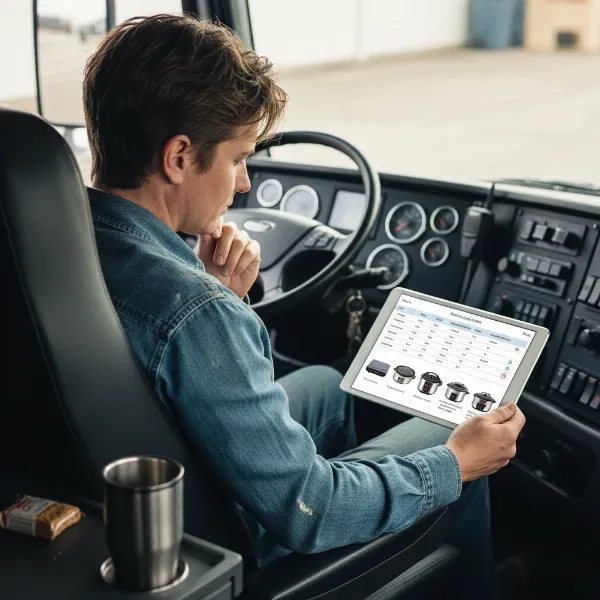 Person researching portable electric cookers on a laptop, considering various travel cooking needs.
Tips for Safe and Efficient Use & Maintenance
To get the most out of your portable electric cooker and ensure safety on the road, follow these practical tips:
- Proper Power Connection: Always plug your 12V or 24V cooker directly into the appropriate vehicle outlet. If using a 110V appliance with an inverter, ensure the inverter’s wattage capacity exceeds the cooker’s power draw. Using the cooker with the engine running is generally recommended to avoid draining your vehicle’s battery.
- Secure Placement: Place your cooker on a flat, stable surface where it won’t slide or tip over, ideally within reach but not obstructing driving. Using bungee cords to secure the cooker to a shelf or a fixed point in your cab can prevent accidents and spills, particularly on winding roads or sudden stops.
- Pre-Cooking and Meal Prepping: Maximize efficiency by pre-cutting vegetables, marinating meats, or partially cooking dishes before you leave. This reduces cooking time on the road and simplifies the process. For slow cookers, preparing ingredients at home and then adding them in the morning allows for a hot, ready meal by dinner.
- Avoid Overfilling: Do not overfill your cooker, especially if it’s liquid-based like a slow cooker or kettle. This prevents boiling over or spills during travel.
- Regular Cleaning: Clean your electric cooker thoroughly after each use. Food residues can lead to odors and bacterial growth. If using models with removable inserts or stainless steel containers, wash them with soap and water. For units that use disposable trays, simply discard the used tray.
- Troubleshooting Common Issues: If your cooker isn’t heating, first check the power connection and any fuses in your vehicle’s cigarette lighter adapter. Ensure the lid is securely closed to maintain heat. If cooking from scratch seems too slow, consider starting earlier or using a pre-cooked base.
“Having spent a decade reviewing electric cookers, I’ve seen firsthand how these portable units transform the daily routine for drivers. The key isn’t just convenience; it’s about empowering individuals to make healthier choices and enjoy a taste of home, no matter how far they roam.” – Lan, Electric Cooker Technician, electriccookerreview.com
Conclusion
Embracing a portable electric cooker for your truck or road trip is a wise investment in your health, wallet, and overall comfort. Moving beyond the limited and often unhealthy options found at rest stops, these innovative appliances bring the joy of home cooking directly to your vehicle. Whether you opt for a versatile electric lunch box, a robust portable oven, or a convenient slow cooker, the freedom to enjoy hot, nutritious meals on demand enhances the quality of your journey. By carefully considering factors like power compatibility, cooking needs, and safety features, you can select the perfect electric cooker to make every mile more delicious and satisfying. Isn’t it time to upgrade your on-the-road dining experience?
Frequently Asked Questions
Can I cook raw meat in a 12V electric cooker?
Most 12V portable stoves and electric lunch boxes can cook raw meat, provided they reach temperatures of at least 300°F (148°C) and you allow sufficient cooking time, which can be 2-2.5 times longer than a conventional oven. Always ensure meat is cooked to a safe internal temperature to prevent foodborne illness.
Do I need a power inverter for a portable electric cooker?
It depends on the cooker. Many portable electric cookers are designed to plug directly into your vehicle’s 12V or 24V DC outlet. However, if an electric cooker requires 110V AC power (standard household current), you will need a power inverter to convert your vehicle’s DC battery power into AC power.
How long does it take to heat food in a 12V electric lunch box?
Generally, a 12V electric lunch box can reheat pre-cooked food in about 30 to 60 minutes. If you are cooking raw ingredients, the time will be longer, often ranging from 1.5 to 3 hours, depending on the food type and the cooker’s wattage.
What’s the difference between a portable oven and an electric lunch box?
While often used interchangeably, a portable oven typically refers to a unit like the RoadPro Portable Stove, often larger and designed for cooking various dishes in disposable trays. An electric lunch box is usually more compact, designed for individual portions, and often comes with a removable, reusable container, excelling at both reheating and simple cooking.
Are electric cookers safe to use in a moving vehicle?
Yes, most portable electric cookers designed for vehicles are safe to use while driving. They are engineered with safety features like heat-resistant materials and secure latches. However, always follow the manufacturer’s instructions, ensure the cooker is securely placed, and never leave it unattended for extended periods. Using it with the engine running is recommended to prevent battery drain.