Waking up to the aroma of freshly cooked eggs is a simple pleasure, but achieving that perfect soft, medium, or hard-boiled egg can often feel like a culinary challenge. Whether you’re juggling a busy morning, living in a compact space like a dorm or RV, or simply seeking a foolproof method, a mini electric cooker can be your secret weapon. These compact appliances take the guesswork out of egg boiling, delivering consistent, delicious results with minimal effort.
This comprehensive guide will walk you through everything you need to know about using a mini electric cooker to boil eggs perfectly every time. From understanding how these clever gadgets work to mastering the art of desired doneness, and even troubleshooting common hiccups, we’ll ensure your next batch of eggs is nothing short of perfection.
Understanding Mini Electric Cookers for Eggs
Mini electric cookers designed for eggs are surprisingly versatile and efficient. At their core, most operate on a simple yet effective principle: steaming. Instead of immersing eggs directly in boiling water where they might crack from agitation, these cookers utilize a small amount of water that heats up rapidly, producing steam within a sealed dome. This gentle steaming process cooks the eggs evenly and consistently.
The primary benefit of this method is the precision it offers. With a calibrated measuring cup, you simply add the exact amount of water corresponding to your desired doneness – whether you crave a runny yolk or a firm, fully cooked center. This hands-off approach eliminates the need for constant monitoring, giving you perfect eggs every time without the fuss.
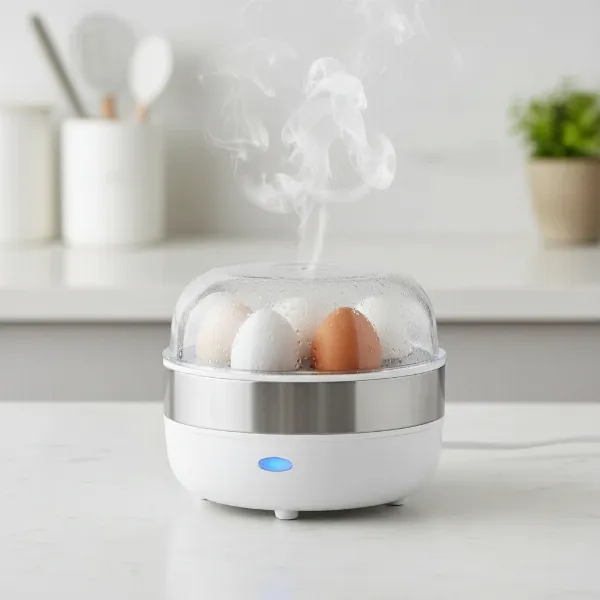 A compact mini electric egg cooker steaming eggs on a kitchen counter.
Types of Mini Electric Cookers for Eggs
When it comes to boiling eggs, “mini electric cooker” can refer to a couple of different appliance types, each with its own advantages:
Dedicated Electric Egg Cookers
These are specialized appliances designed with egg boiling (and often poaching or omelet making) in mind. They typically feature a heating plate, an egg tray, a dome lid, and a measuring cup with markings for different doneness levels.
- Pros: Highly precise, often have automatic shut-off and alarms, consistent results, and are compact. Many make eggs incredibly easy to peel.
- Cons: Limited to egg-related cooking functions.
|
Our Picks for the Best Electric cooker in 2026
As an Amazon Associate I earn from qualifying purchases.
|
||
| Num | Product | Action |
|---|---|---|
| 1 | Dezin Hot Pot Electric with Steamer Upgraded, Non-Stick Sauté Pan, Rapid Noodles Electric Pot, 1.5L Mini Pot for Steak, Egg, Fried Rice, Ramen, Oatmeal, Soup with Power Adjustment |

|
| 2 | Green 1L Mini Slow Cooker with Steamer Basket, 200W Smart Ceramic Electric Stew Pot, 24-Hour Timer & Auto Keep-Warm, Dry-Burn Protection, Kitchen Cooking Appliance |
|
| 3 | Dezin Hot Pot Electric with Steamer Upgraded, Non-Stick Sauté Pan, Rapid Noodles Electric Pot, 1.5L Mini Pot for Steak, Egg, Fried Rice, Ramen, Oatmeal, Soup with Power Adjustment |
|
| 4 | Elite Gourmet EG808 8” x 8" Non-stick Electric Skillet, Dishwasher Safe with Tempered Glass Vented Lid, Rapid Heat Up, 600W, Black |
|
| 5 | AMZCHEF Portable Induction Cooktop 20 Temperature & Power Levels, 1800W Induction Stove Burner with 6.8" Heating Coil, Low Noise Hot Plate Single Electric Cooktops Countertop Stove with Timer |
|
| 6 | Instant Pot Duo 7-in-1 Mini Electric Pressure Cooker, Slow Rice Cooker, Steamer, Sauté, Yogurt Maker, Warmer & Sterilizer, Includes Free App with over 1900 Recipes, Stainless Steel, 3 Quart |
|
| 7 | Pink 1L Ceramic Slow Cooker with Steamer Basket, 200W Mini Electric Stew Pot, 24-Hour Delayed Start & Auto Keep-Warm, Household Kitchen Safety Dry-Burn Protection Porridge & Soup Pot |
|
| 8 | Dezin Hot Pot Electric with Steamer Upgraded, Non-Stick Sauté Pan, Rapid Noodles Electric Pot, 1.5L Mini Pot for Steak, Egg, Fried Rice, Ramen, Oatmeal, Soup with Power Adjustment |
|
| 9 | Dezin Hot Pot Electric Upgraded, Non-Stick Sauté Pan, Rapid Noodles Electric Pot, 1.5L Mini Portable Hot Pot for Steak, Egg, Fried Rice, Ramen, Oatmeal, Soup with Power Adjustment |
|
| 10 | Dezin Hot Pot Electric with Steamer Upgraded, Non-Stick Sauté Pan, Rapid Noodles Electric Pot, 1.5L Mini Pot for Steak, Egg, Fried Rice, Ramen, Oatmeal, Soup with Power Adjustment |
|
Mini Rice Cookers with Steamer Function
Some small rice cookers come with a steamer basket or tray, making them surprisingly capable for boiling eggs via steaming.
- Pros: Multifunctional, great for small kitchens or travel, can cook rice and other small meals.
- Cons: Cooking times might require some experimentation as they aren’t specifically calibrated for eggs like dedicated egg cookers. The timer might need to be set externally, as the cooker won’t automatically switch off for steamed eggs.
While there are also microwave egg boilers, this guide primarily focuses on electric models for their consistent heating and often superior results.
Top Mini Electric Cooker Models for Boiling Eggs
Based on user reviews and expert testing, certain mini electric cookers consistently deliver excellent results for boiled eggs. Here are a few standout models:
- Dash Rapid Egg Cooker: This is a perennial favorite for its user-friendliness, compact design, and consistent performance. It’s often praised for producing perfectly hard-boiled eggs and offering clear water measurements for various doneness levels. Its cheerful alarm lets you know when your eggs are ready, and it can typically handle up to six eggs. Many find its “omelet” function (which is essentially steamed eggs) surprisingly good for breakfast sandwiches.
- Elite Gourmet EGC-007B: Often lauded for its simplicity and accuracy, this model provides straightforward water level markings for soft, medium, and hard-boiled eggs, regardless of the number of eggs. Its seven-egg capacity and convenient vertical handles on the egg rack make it easy to use and minimize the risk of burns. It consistently produces eggs that are easy to peel with vibrant yolks.
- VORBAGA Electric Egg Cooker: For those seeking an all-metal option without plastic coming into contact with food, the VORBAGA is a strong contender. Its stainless steel dome and trays ensure durability and peace of mind. While it offers accurate cooking times, users should note that it might lack an audible alarm, requiring a bit more attention as the cooking cycle concludes.
These models, or similar ones with precise water measurements and steaming capabilities, are ideal for achieving your perfect boiled egg.
Step-by-Step Guide: Boiling Eggs in Your Mini Electric Cooker
Mastering your mini electric cooker for eggs is straightforward. Follow these steps for consistently perfect results:
- Preparation is Key:
- Pierce the Egg (Optional but Recommended): Many electric egg cookers include a small piercing pin on the bottom of the measuring cup. Gently pierce the larger end of each egg. This tiny hole helps prevent cracking during cooking by allowing steam to escape and can make peeling easier.
- Add Water: Use the provided measuring cup to add the correct amount of water to the heating plate of your cooker. The cup will have markings for soft, medium, and hard-boiled eggs. Precision here is crucial for achieving your desired doneness. If using a mini rice cooker, refer to its instructions or general steaming guides for approximate water levels, though you might need to experiment slightly.
- Load the Eggs:
- Place the eggs onto the egg rack provided. Ensure they are stable and not overcrowded.
- Carefully position the egg rack inside the cooker.
- Start Cooking:
- Securely place the lid on the cooker.
- Plug in the appliance and press the “on” or “cook” button. For many dedicated egg cookers, an indicator light will illuminate, and an alarm will sound when the water has evaporated and the eggs are done.
- If using a mini rice cooker, set an external timer according to the recommended steaming times for eggs (see below for general guidelines).
- Cooking Times for Desired Doneness (General Guidelines – always refer to your cooker’s manual first):
- Soft-Boiled: Typically 7-10 minutes. The yolk will be runny, and the whites will be just set.
- Medium-Boiled (Jammy): Around 10-13 minutes. The yolk will be creamy and jam-like, with fully set whites.
- Hard-Boiled: Generally 14-17 minutes (for dedicated egg cookers). For mini rice cookers, it could be around 20 minutes from the start of the cooker. The yolk and white will be completely firm.
- Note: These times can vary slightly depending on your specific cooker model, egg size (large eggs were used for these estimates), and altitude. Always check your cooker’s manual first and make small adjustments as needed.
- The Essential Ice Bath:
- Immediately after the cooker signals completion, or your timer goes off, carefully remove the eggs and plunge them into a bowl of ice water. This “shocking” process stops the cooking, prevents a green ring around the yolk, and makes the eggs significantly easier to peel. Let them sit in the ice bath for at least 5-10 minutes.
Achieving Your Desired Egg Doneness
The beauty of a mini electric cooker is its ability to consistently produce eggs to your exact preference.
- For the Perfect Soft-Boiled Egg: Aim for a cooking time that results in a liquid, golden yolk encased by tender, barely set whites. The ice bath is crucial here to halt cooking at precisely the right moment. These are wonderful with toast “soldiers” for dipping.
- For a Delightful Medium-Boiled (Jammy) Egg: This sweet spot offers a creamy, almost spreadable yolk with firm whites. It’s a favorite for salads, avocado toast, or simply enjoyed on its own. The precision of water measurement is key to nailing this texture.
- For a Flawless Hard-Boiled Egg: Expect a fully firm, uniformly yellow yolk without any greenish discoloration, and firm whites. The steaming method helps avoid rubbery whites often associated with overcooked stovetop eggs. Hard-boiled eggs are ideal for meal prep, egg salad, or deviled eggs.
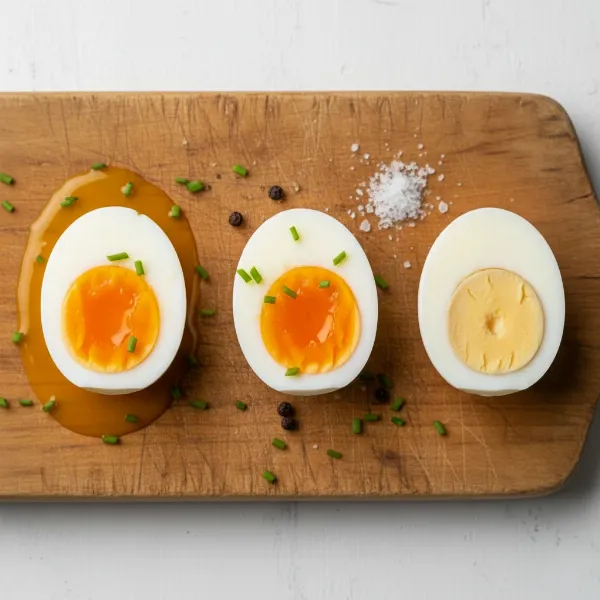 Three half-cut boiled eggs showcasing soft, medium, and hard yolks.
“The secret to perfectly boiled eggs in an electric cooker lies in understanding your machine’s water measurements. Each cooker is calibrated differently, so a little experimentation with your specific model can lead to truly flawless results.” – Lan, Electric Cooker Review Technician
Troubleshooting Common Issues
Even with the best tools, minor issues can arise. Here’s how to address them:
- Eggs Cracking During Cooking: This is often due to internal pressure buildup or cold eggs going into hot steam too quickly. Piercing the large end of the egg with the pin (if your cooker has one) is the best preventative measure. You can also let cold eggs sit at room temperature for 10-15 minutes before cooking, though piercing is usually sufficient.
- Difficulty Peeling: While steaming generally makes eggs easier to peel, freshness can still play a role. Older eggs tend to peel more easily than very fresh ones. Most importantly, ensure you use an immediate and sufficient ice bath after cooking. This rapid cooling helps the egg white separate from the shell membrane.
- Over or Undercooking: This is usually a matter of water measurement or cook time (if using a mini rice cooker). Always follow your cooker’s specific measuring cup instructions precisely. If results aren’t ideal, adjust the water slightly up (for more doneness) or down (for less doneness) in subsequent batches until you find your perfect balance. Egg size can also affect cooking time, so adjust for extra-large or small eggs.
Care and Maintenance for Your Mini Electric Egg Cooker
Proper care ensures your mini electric cooker remains a reliable kitchen companion.
- Cleaning the Heating Plate: Over time, mineral deposits (white or brown spots) may appear on the heating plate. Do not scrape them with abrasive tools. Instead, mix a paste of white vinegar and kosher salt, apply it to the spots, let it sit for a few minutes, then gently scrub with a non-abrasive sponge. Always unplug and ensure the cooker is cool before cleaning.
- Washing Removable Parts: Most egg trays, poaching trays, and lids are dishwasher-safe or can be easily washed by hand with warm, soapy water. Always refer to your appliance’s manual for specific cleaning instructions.
- Storage: Ensure all parts are completely dry before reassembling and storing your cooker in a cool, dry place. Its compact size makes it easy to tuck away.
Conclusion
A mini electric cooker is an invaluable tool for anyone who loves eggs but dislikes the fuss of traditional stovetop methods. Its ability to steam eggs perfectly, controlling doneness with simple water measurements, offers unparalleled convenience and consistent results. Whether you opt for a dedicated electric egg cooker or a versatile mini rice cooker with a steaming function, you can confidently prepare soft, medium, or hard-boiled eggs with ease. Say goodbye to cracked shells, undercooked yolks, and tedious peeling – and hello to perfectly boiled eggs, every single time.
So, why not elevate your breakfast routine and embrace the simplicity and precision of an electric cooker? What will you create with your perfectly boiled eggs first?
Frequently Asked Questions
Can I boil eggs without piercing them in an electric cooker?
While many manufacturers recommend piercing the eggs to prevent cracking, some users find success without it. However, for the most consistent and crack-free results, especially with colder eggs, piercing is a good practice.
How do electric egg cookers know when the eggs are done?
Most electric egg cookers don’t actually “know” when the eggs are done. Instead, they cook until all the added water has evaporated from the heating plate. The amount of water you add directly determines how long the steam cooks the eggs and, therefore, their doneness.
Can I use different sized eggs in my mini electric cooker?
Yes, but you might need to slightly adjust the water amount. Larger eggs may require a tiny bit more water for the same doneness, while smaller eggs might need a touch less. Experimentation with your specific cooker and egg size will yield the best results.
Are electric egg cookers energy efficient?
Generally, yes. They use a small amount of water and often cook quickly, making them more energy-efficient than boiling a large pot of water on a stovetop, especially for just a few eggs.
How long do hard-boiled eggs last after being cooked in an electric cooker?
Hard-boiled eggs, regardless of the cooking method, can be stored in the refrigerator for up to one week. It’s best to keep them in their shells until ready to eat for optimal freshness.